Crane Tree Removal in Augusta, GA
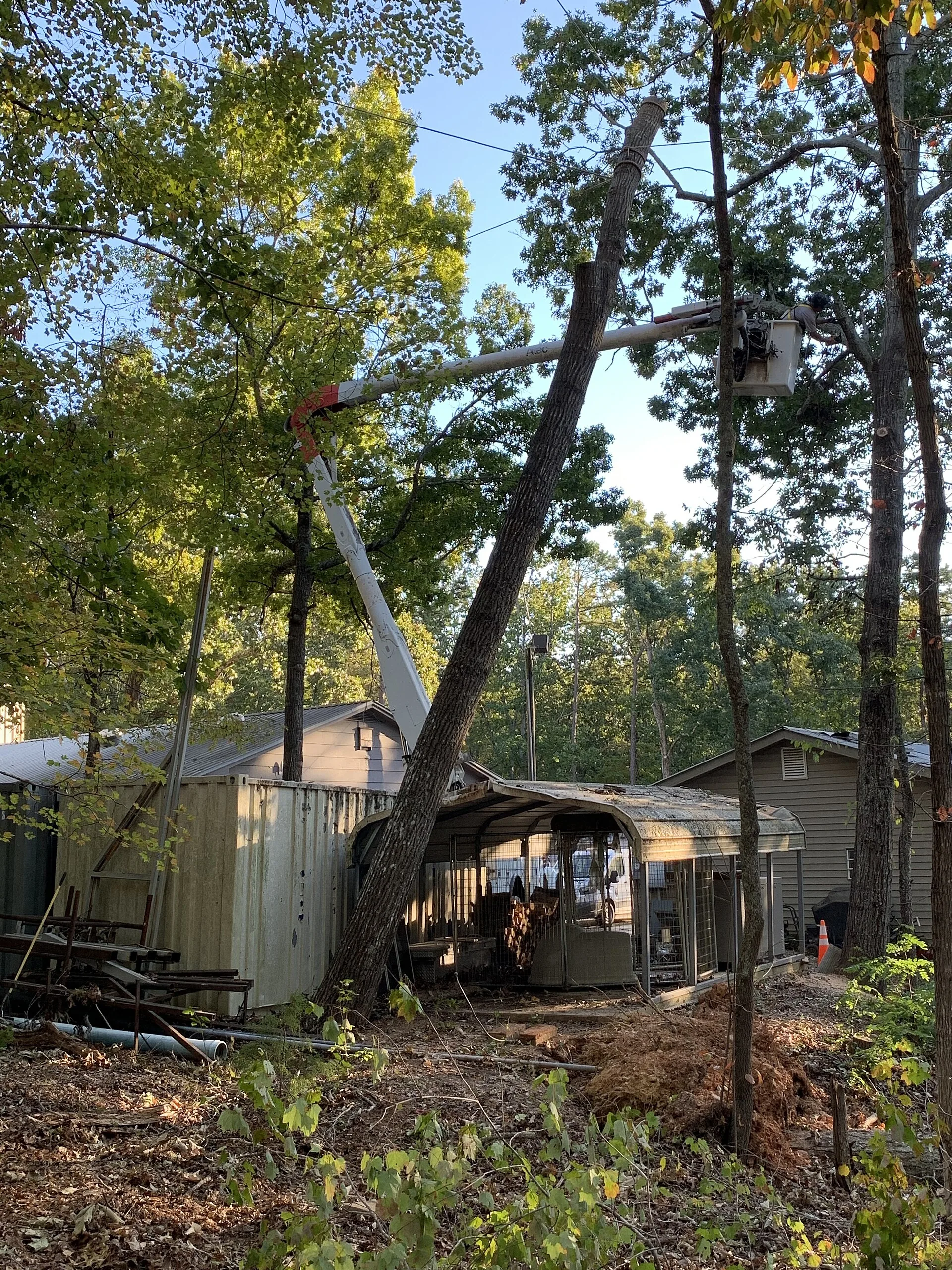
Crane tree removal uses a mobile crane to lift heavy limbs and trunk sections out of the work area instead of dropping them. The method suits large, hazardous, storm-damaged, leaning, and hard-to-reach trees beside homes, roofs, power lines, and confined spaces.
Tree Removal Augusta provides crane tree removal Augusta GA property owners request when a standard drop zone is unavailable. The crew secures each section, lifts it under control, and lands it in a protected area.
Lift heavy sections when a normal drop zone is not practical.
Crane work is one option within the full Tree Removal Service. A crane can support heavy sections before they are cut free, move them away from structures, and place them in a controlled landing area.
When Is a Crane Needed for Tree Removal?
A crane is needed when tree size, condition, location, or access makes conventional removal unsafe or impractical. Not every tree requires a crane; the work area and tree itself determine the appropriate method.
Size
Height, trunk diameter, and limb weight can make individual sections too heavy for conventional lowering.
Condition
Decay, cracks, lean, storm damage, or other structural problems can change how the tree must be removed.
Location
Homes, fences, pools, driveways, buildings, and other property features can eliminate a safe drop zone.
Access
Gates, narrow side yards, slopes, soft ground, and restricted access can limit conventional equipment and movement.
Drop Zone
If there is no open area for falling or lowered sections, lifting them away can provide a more controlled option.
Utilities
Service lines, power lines, and meters near the canopy require additional planning and safe clearances.
A small tree in an open yard may only require climbing and rope lowering. Crane work adds value when heavy sections must be supported and moved through restricted space. An on-site assessment determines the appropriate approach, and crane work is common on Hazardous Tree Removal projects.
Large and Mature Tree Removal in Augusta, GA
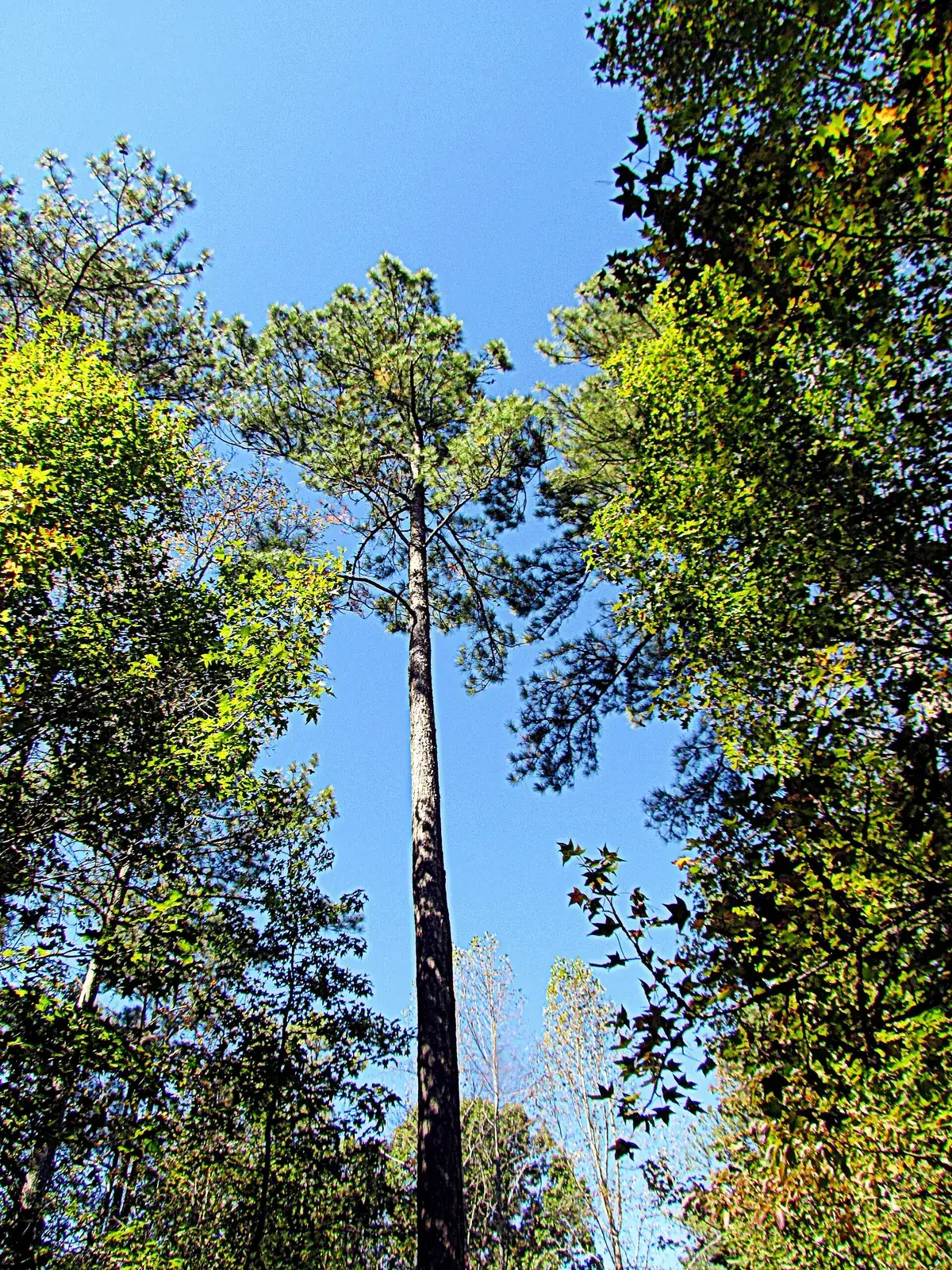
Tall mature trees with heavy limbs or oversized trunk sections often call for controlled lifting because individual sections can be too heavy to lower by hand.
Mature oaks, loblolly pines, sweetgum, magnolia, and pecan trees can carry extremely heavy sections in the upper canopy. A crane lifts those sections away in manageable pieces while the cutting sequence is organized from the top down.
- Heavy upper-canopy sections can be supported before cutting.
- Sections can be moved away from nearby structures.
- The cutting sequence can be planned around available landing areas.
- Standard removal remains an option when crane support is unnecessary.
See Large Tree Removal for the standard approach when a crane is not required.
Hazardous, Leaning, or Unstable Trees
Cracked, leaning, or structurally compromised trees can shift their weight unpredictably. Crane support can allow the load to be controlled before a section is cut free.
The crane can take the load before the cut. The section is then held, severed, and moved to a planned landing area. A Tree Risk Assessment can help identify whether the tree is stable enough for climbing or whether crane support is appropriate.
Trees Near Homes and Structures
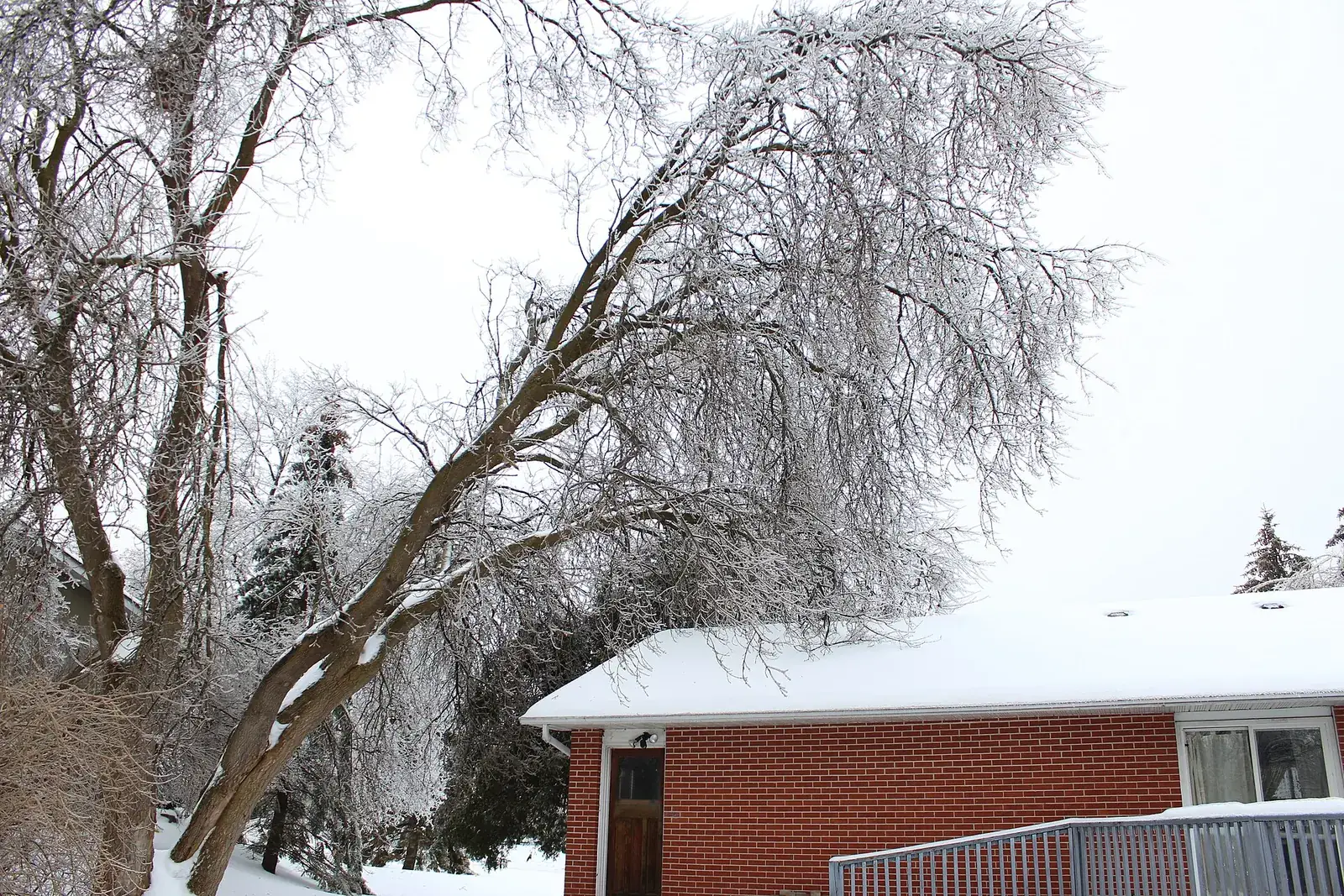
Trees over or beside homes often lack a safe drop zone. Instead of allowing a heavy section to fall toward the structure, the removal plan can use controlled lifting.
This applies to roofs, commercial buildings, pools, fences, driveways, and other areas where a falling section could damage property.
- Support the section before cutting it free.
- Carry the section over the structure when site conditions allow.
- Move it toward an open landing area.
- Reduce uncontrolled movement around valuable property.
Learn more about controlled residential work through Residential Tree Removal.
Trees Near Power Lines
Trees near energized lines require extra planning because contact with electrical conductors can create serious electrocution and outage hazards.
OSHA standard 29 CFR 1910.269 limits work close to energized lines to qualified line-clearance tree trimmers. Tree Removal Augusta does not work on energized lines.
If lines are down or sagging, report the hazard to the utility provider and 911 before contacting Emergency Tree Service.
Trees in Tight or Confined Spaces
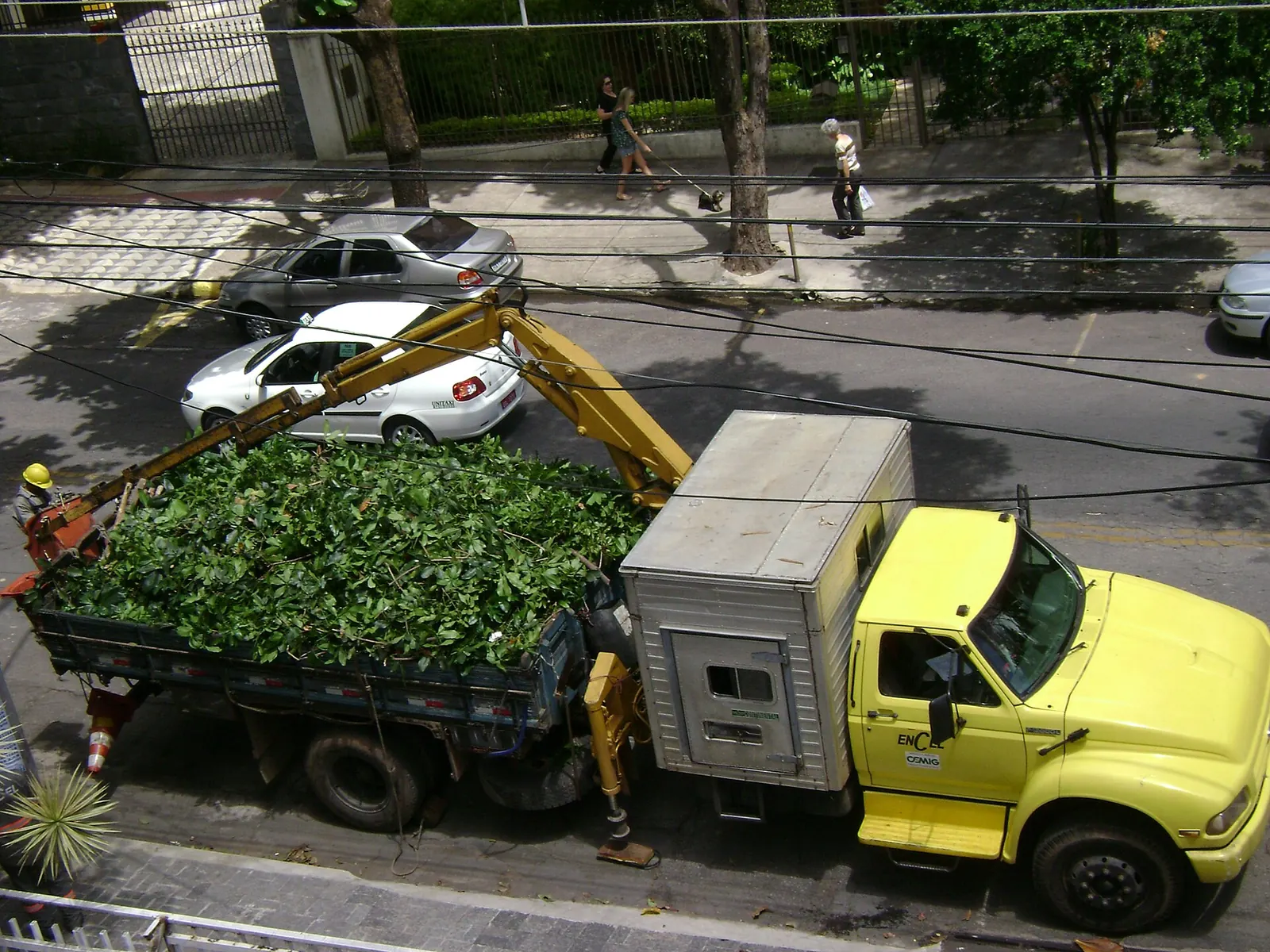
Tight spaces can make conventional tree removal difficult because there may be no practical place to drop or stage heavy sections.
A crane can lift sections over a roofline or fence and place them where the crew can process them. This can help limit heavy equipment movement across lawns, septic areas, and landscaping.
The Tree Removal estimate confirms whether difficult access calls for crane-assisted removal.
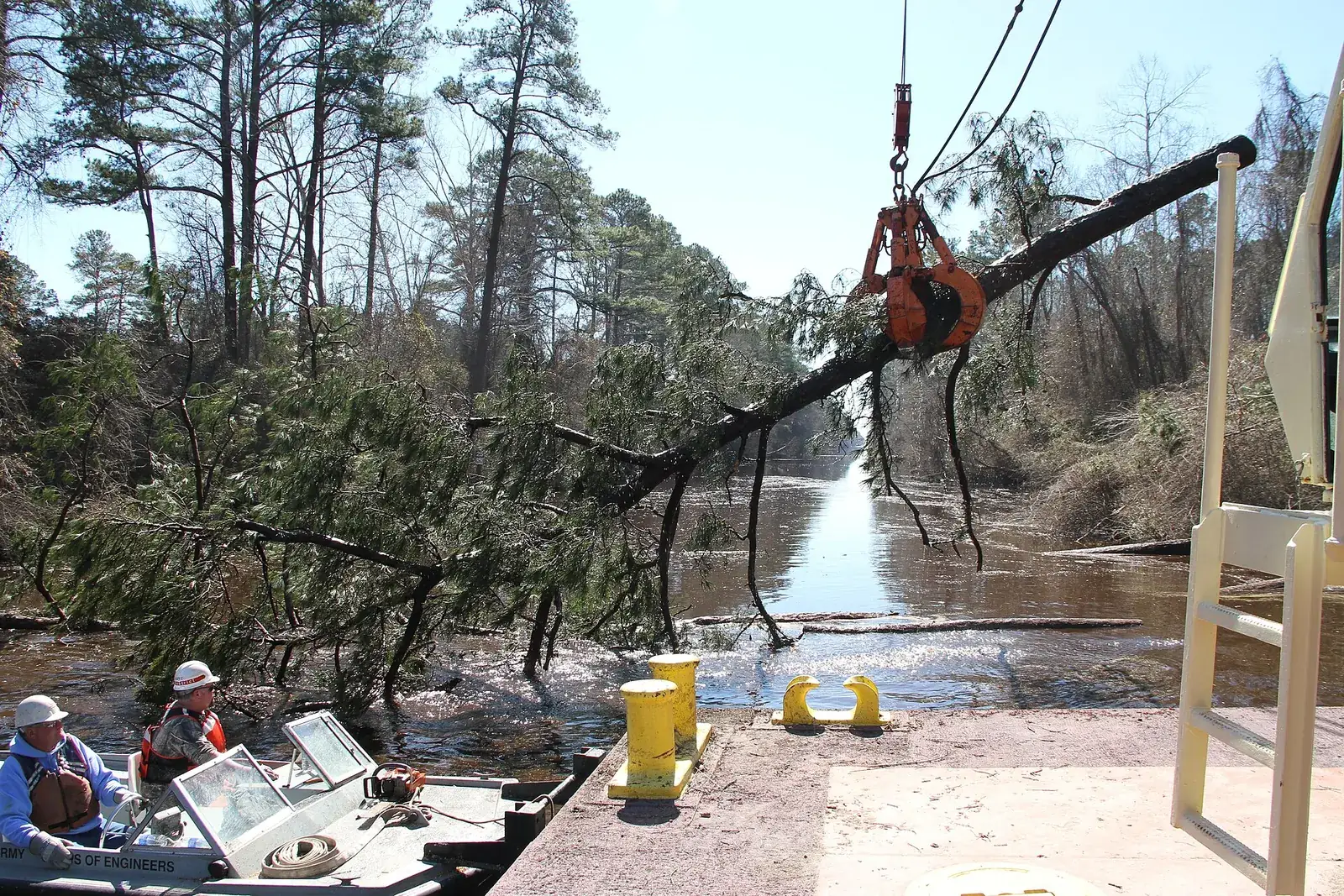
How Crane-Assisted Tree Removal Works
The removal is organized around the tree, the crane’s reach, the available landing area, nearby structures, and the weight of each section.
Assess the Site
Review the tree, structures, utilities, access, crane position, and landing areas.
Position the Crane
Place the crane on suitable ground within the required working reach.
Rig the Section
Attach the crane line and rigging to the selected limb or trunk section.
Cut the Section
Make the planned cut while the crane supports the section.
Lift and Land
Move the supported section along the planned path to its designated landing area.
Clear the Debris
Process limbs and trunk sections, haul debris according to the scope, and clean the work area.
Every Crane Job Starts With Site and Tree Assessment
Before the first cut, the removal plan considers both the tree and the equipment needed to control each section.
Site & Tree Assessment
Review tree height, trunk diameter, condition, lean direction, nearby structures, utility locations, and access routes. The plan also marks crane position and landing areas.
Crane Setup
Crane positioning depends on driveway or street access, boom reach, clearance from structures and utilities, and ground firmness. Pads or mats may be used where appropriate.
Rigging & Securing
Rigging attaches the crane line so the section stays supported during the cut. Slings, straps, or rigging lines are selected for the load.
Controlled Cutting
The sequence is secure the section, make the cut, lift with the crane, and lower to the designated landing area.
Planned Movement
Each lift is organized around restricted drop zones and the safest available path away from roofs, fences, landscaping, and other obstacles.
Crane Reach
If there is no safe crane position within the required reach, a different crane size or another removal method may be selected.
How Crane Removal Helps Protect Your Property
A crane gives the crew another way to control the movement of heavy sections near roofs, homes, driveways, pools, fences, and landscaping.
Support Before Cutting
The crane can take the load before a section is separated from the tree.
Planned Movement Path
Sections can be moved along a predetermined route instead of falling into an uncontrolled drop zone.
Cleared Landing Area
The crew can designate where each section will be placed for processing.
Risk Is Reduced, Not Eliminated
Crane support can reduce uncontrolled movement, but it does not eliminate every job-site risk. Site conditions and planning still matter.
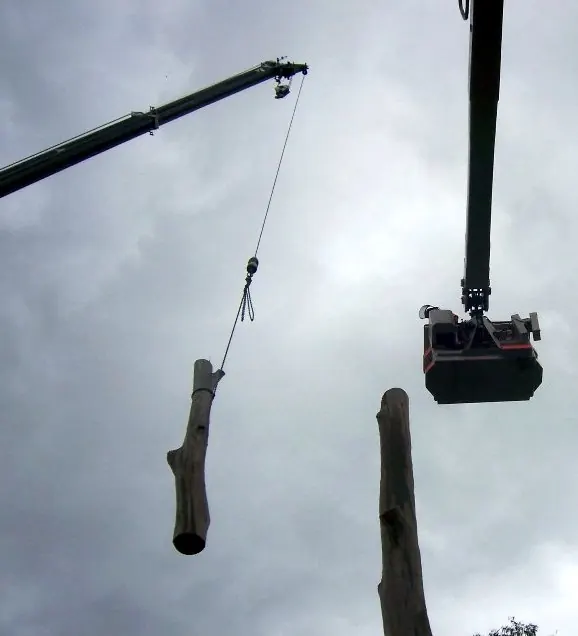
Heavy Limbs and Trunk Sections
A crane supports heavy sections before separation and moves them toward the planned landing area.
An unsupported section can drop quickly and strike the area below. Supporting the section before the cut allows the planned movement path to be controlled.
- Large lateral limbs
- Split crowns
- Trunk sections cut from the middle
- Heavy sections positioned over restricted areas
Storm-Damaged Tree Removal With a Crane
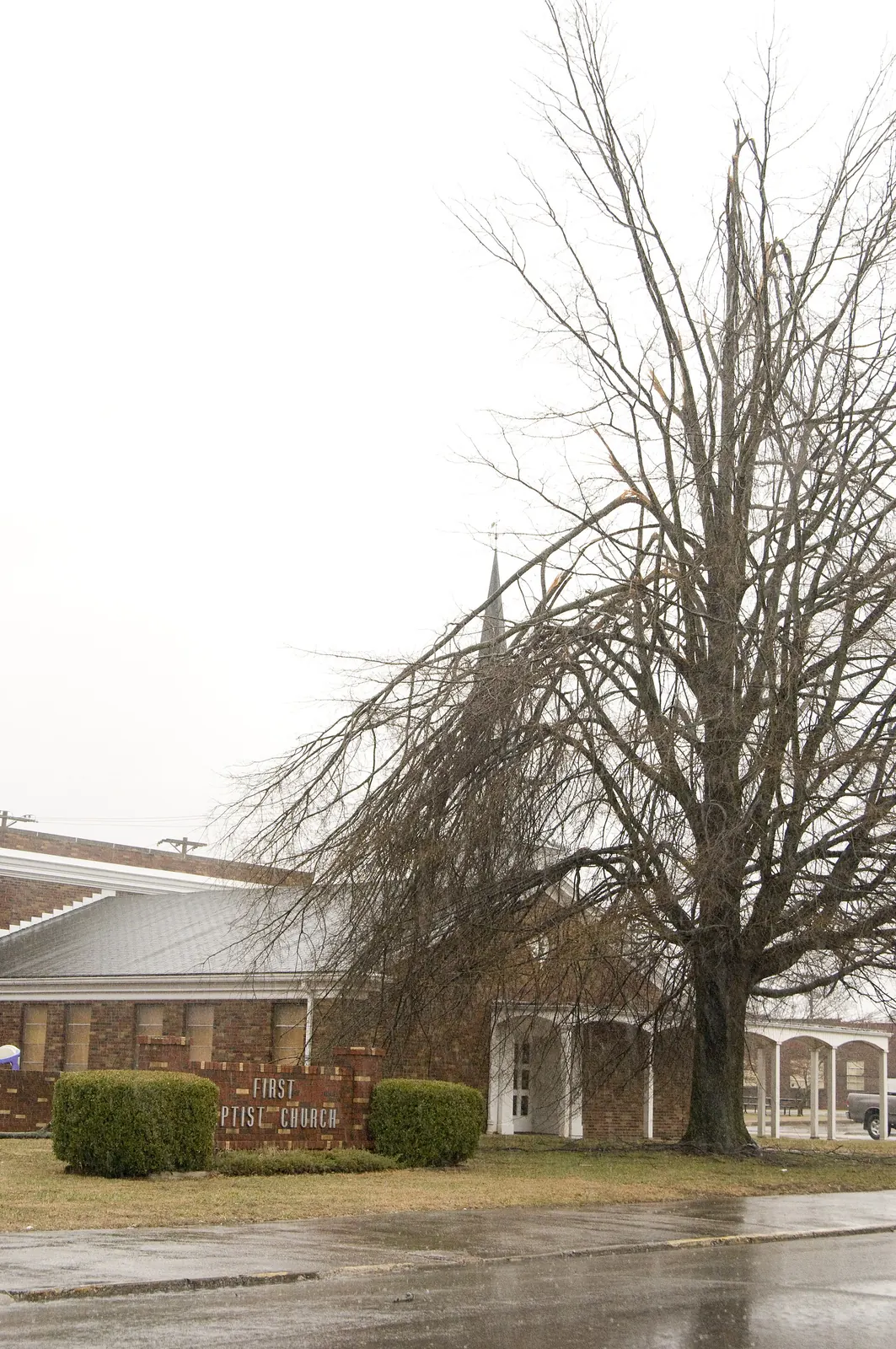
Storm-damaged trees can be especially difficult because broken limbs, damaged crowns, cracked trunks, and partially uprooted trees may carry unpredictable loads.
Augusta property owners experienced widespread tree damage following Hurricane Helene in 2024. Damaged trees can contain stored tension that changes suddenly when sections are cut.
- Broken limbs hanging in the canopy
- Damaged or split crowns
- Cracked trunks
- Partially uprooted trees
Crane support can hold weight first and allow the removal sequence to be planned around the damaged structure. For broader cleanup needs, see Storm Damage Tree Cleanup.
Leaning and Partially Uprooted Trees
These trees can behave differently because their roots may no longer carry the tree’s weight evenly. Lifted root plates, shifted soil, and changes in center of gravity can make reactions difficult to predict.
Lifted Root Plate
A partially uprooted tree may have lost normal support at the base.
Changed Center of Gravity
A new lean can change how the tree responds when a limb or trunk section is removed.
Shifted Soil
Soil movement around the root zone can indicate additional instability.
Not a DIY Job
Leaning and partially uprooted trees should be handled by trained crews using an appropriate removal plan, not improvised chainsaws or ropes.
Trees leaning over homes or driveways may fall within Emergency Tree Service situations depending on the immediate hazard.
Crane Tree Removal vs. Standard Tree Removal
Standard removal works when the tree is manageable and an appropriate drop zone exists. Crane-assisted removal becomes more useful when size, condition, access, or nearby structures rule those methods out.
| Factor | Standard Tree Removal | Crane-Assisted Removal |
|---|---|---|
| Tree size | Small to medium trees | Large and mature trees |
| Tree condition | Sound and stable | Hazardous, leaning, or storm-damaged |
| Drop zone | Open space is available | Restricted or unavailable |
| Nearby structures | Few or none | Roofs, pools, fences, buildings |
| Access | Open yard | Narrow, steep, or confined |
| End result | Removed tree and cleared site; site assessment determines the appropriate method. | |
See the main Tree Removal page for conventional removal details.
Crane vs. Bucket Truck for Tree Removal
These machines solve different problems. A bucket truck provides canopy access, while a crane lifts and moves heavy sections.
Bucket Truck
A bucket truck provides a worker with access to portions of the canopy where the equipment and site allow it.
Crane
A crane supports and moves heavy limbs and trunk sections through a planned path toward a landing area.
Some projects can use both: a bucket truck positions the worker at the cut while the crane carries the supported section away. Site conditions decide the equipment combination.
How Much Does Crane Tree Removal Cost in Augusta, GA?
Crane tree removal pricing varies by the tree, access, crane requirements, surrounding structures, and the complexity of the removal. A final price requires an assessment of the actual project.
Complex heavy-section removal can cost more because the price reflects crane requirements, crew time, rigging, site conditions, and the amount of work required.
The quote reviews these factors against the actual tree and site. Photos of the tree and its surroundings can help speed the initial estimate.
Debris Removal and Site Cleanup
Once the final section is removed, limbs and trunk sections are processed into manageable loads and hauled according to the project scope.
- Brush removal
- Log and trunk removal
- Sawdust and wood-chip cleanup
- Work-area cleanup
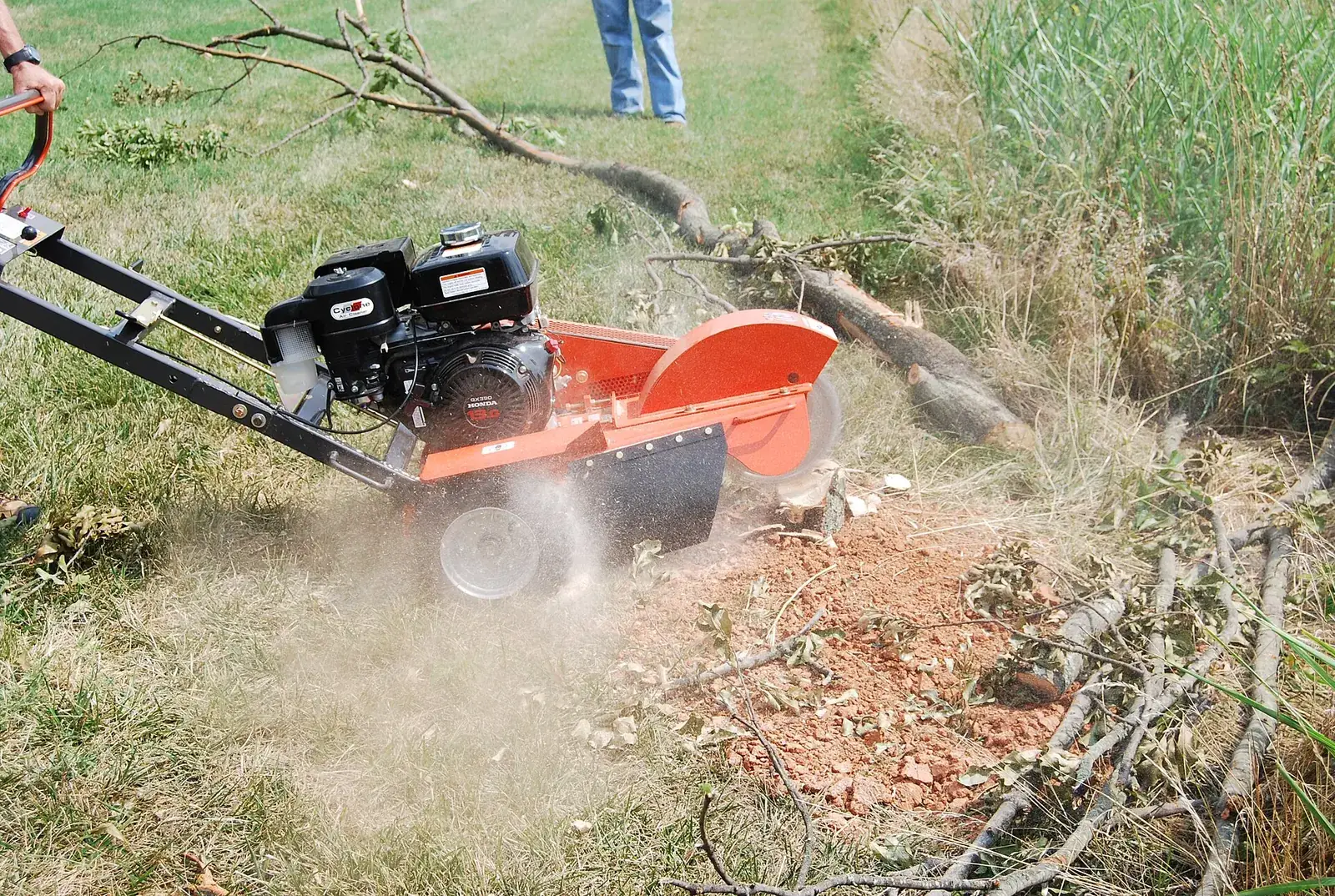
The stump remains unless stump removal or Stump Grinding is included in the agreed scope.
Crane Tree Removal for Residential and Commercial Properties
Crane-assisted removal can be useful throughout Augusta where mature trees, restricted access, structures, or storm conditions make conventional removal impractical.
Augusta Residential Properties
Mature oaks, pines, and magnolias can grow close to homes on established lots where there is little room for a conventional drop zone.
Restricted Residential Access
Older neighborhoods and narrow backyard access can make crane placement and controlled lifting more useful than dragging heavy sections across a property.
Commercial Properties
Commercial work may require coordination around buildings, parking areas, deliveries, working hours, foot traffic, and controlled work zones.
Residential projects can be reviewed through Residential Tree Removal, while larger commercial projects can be coordinated through Commercial Tree Removal.
Get a Crane Tree Removal Quote in Augusta, GA
A useful quote starts with the tree location, approximate size, condition, nearby structures, access, and urgency. If available, send photos of the tree and surrounding area to help explain the project.
Tree Removal Augusta reviews crane tree removal Augusta GA projects and large tree removal Augusta GA jobs after reviewing the project details and site conditions.
Details That Can Speed the Quote
Tree Location
Tell us where the tree sits on the property and what surrounds it.
Approximate Size
Height and trunk width estimates are useful if they are available.
Visible Damage
Note cracks, storm damage, decay, broken limbs, or a noticeable lean.
Nearby Obstacles
Identify roofs, fences, pools, landscaping, driveways, and power lines.
Access
Gate width, driveway access, street access, and restricted areas can matter.
Urgency
Storm damage, an insurance timeline, or an immediate hazard can affect planning.
Crane Tree Removal in Augusta and the CSRA
If a large tree is close to a home, structure, utility corridor, or restricted access area, the removal method should be selected around the actual site conditions.
Tree Removal Augusta
2215 Tobacco Rd, Augusta, GA 30906, USA
Tell us about the tree, access, and what is around it.
Share the tree location, approximate size, visible damage, nearby structures, access conditions, and urgency. Photos are helpful when available.
Tree Removal Augusta is a referral service that connects property owners with independent tree contractors. This site is not the contractor performing the physical tree work. Project availability, methods, pricing, equipment, and final scope are determined by the independent contractor after reviewing the specific property and tree.