Storm Damage Tree Removal in Augusta, GA
Storm damage tree removal is the professional cutting, lowering, and hauling of trees and limbs that wind, lightning, flooding, or ice have broken, uprooted, or loosened. Storm-damaged trees can create immediate hazards for homes, power lines, driveways, vehicles, and property across Augusta and the CSRA.
Storm Damage Tree Removal in Augusta, GA: What to Do After a Storm
After a storm, the safest approach is to separate people from the hazard, document the damage from a safe location, and leave cutting to trained professionals.
- Move people and pets away from the damaged tree and any structure it touches.
- Treat every downed power line as live, and report it to the electric utility.
- Photograph the tree, the structure, and nearby vehicles from a safe distance.
- Leave chainsaw work to trained crews because bent and fallen trunks can hold dangerous tension.
- Call an Emergency Tree Service for a professional assessment and removal.
According to Georgia Power, a downed power line should always be assumed live and life-threatening. A Tree Risk Assessment can then help identify which trees and limbs carry the highest risk of failure.
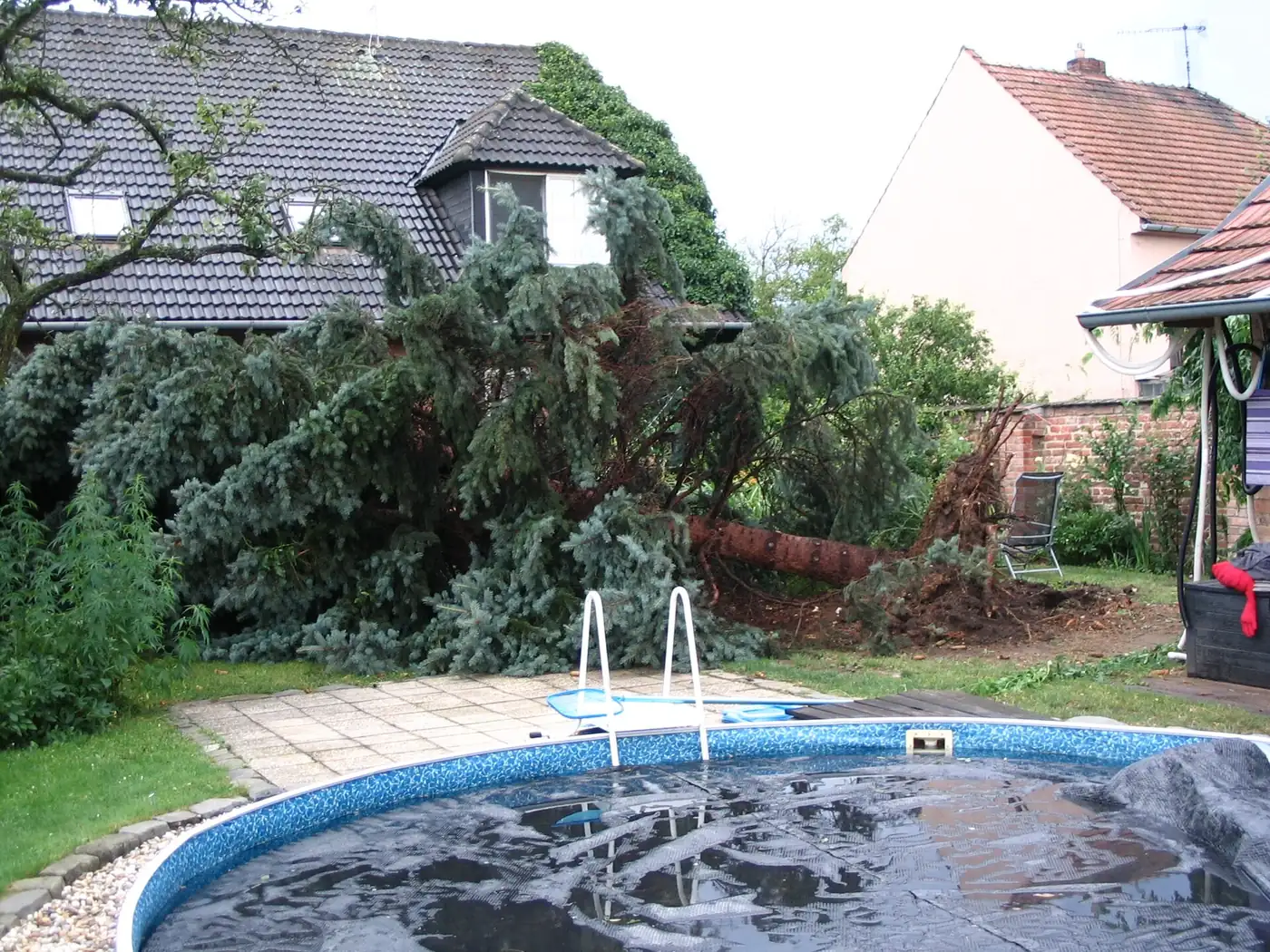
Five Things to Do Before Tree Removal Starts
The first priority after storm damage is controlling exposure to the hazard—not starting the chainsaw.
Move Away
Keep people and pets away from the tree, structure, root plate, and debris.
Check for Lines
Assume every downed electrical line is live and stay clear of anything touching it.
Take Photos
Document the damage from a safe location before cleanup changes the scene.
Do Not Cut
Storm-bent trunks and limbs can release stored tension unexpectedly.
Call a Professional
Have the tree and work zone assessed before removal begins.
When Is Emergency Tree Removal Needed After a Storm?
Storm-damaged tree removal becomes an emergency when the tree or limb threatens one of five important targets.
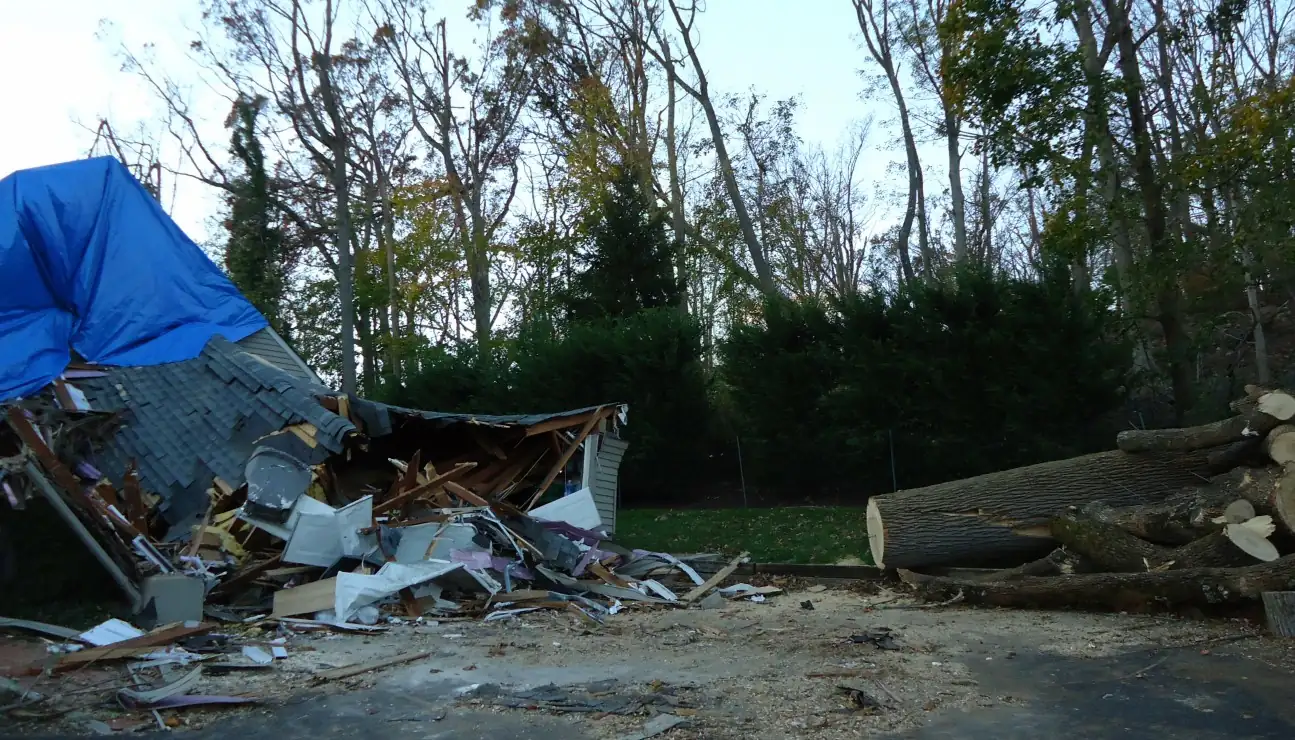
People or Structures
A tree resting on a home, garage, vehicle, or occupied area requires careful removal because shifting weight can create additional damage.
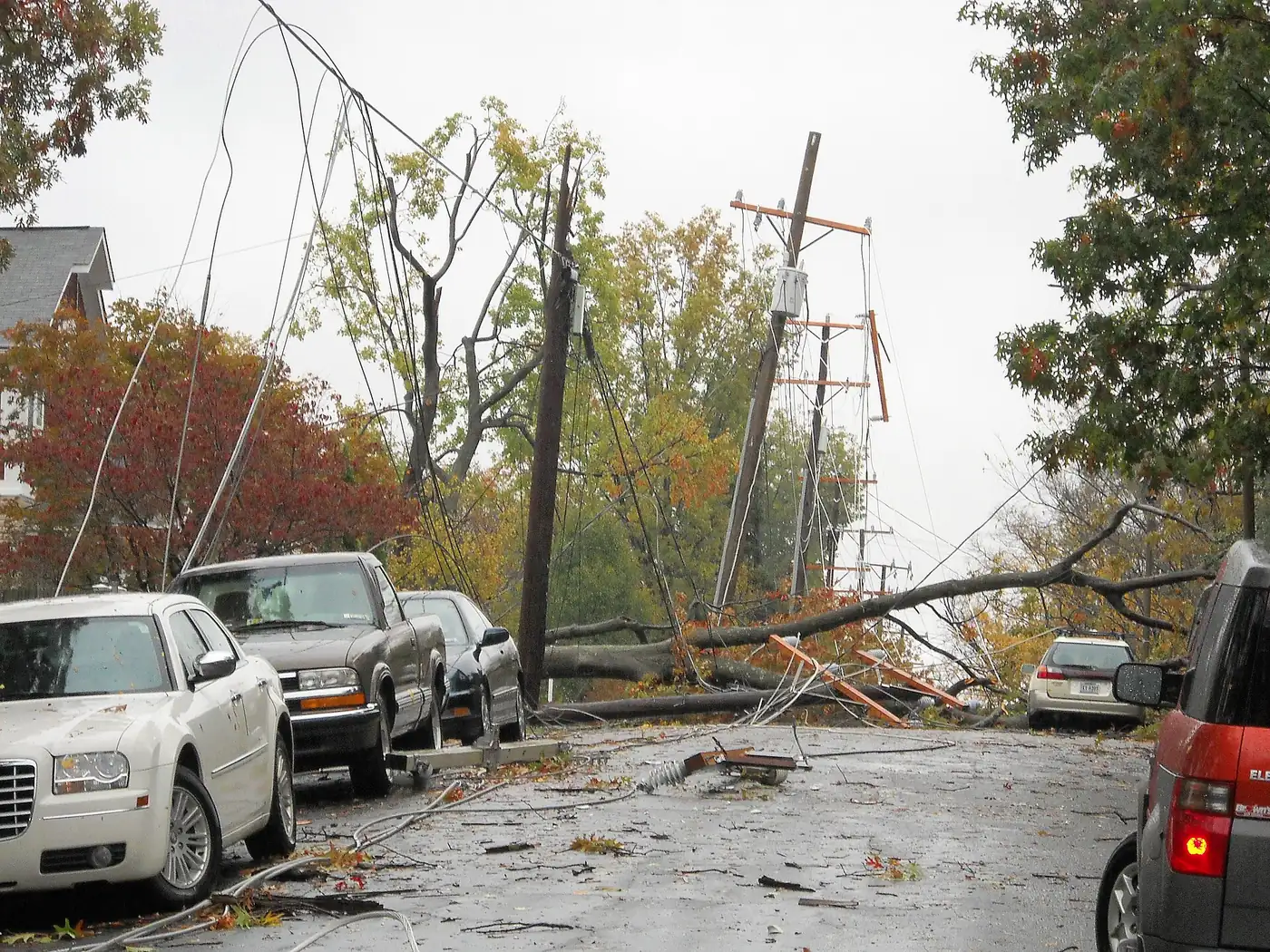
Utility Lines
A tree contacting power lines is an electrical hazard. The utility must make the lines safe before tree removal begins.
Access Routes
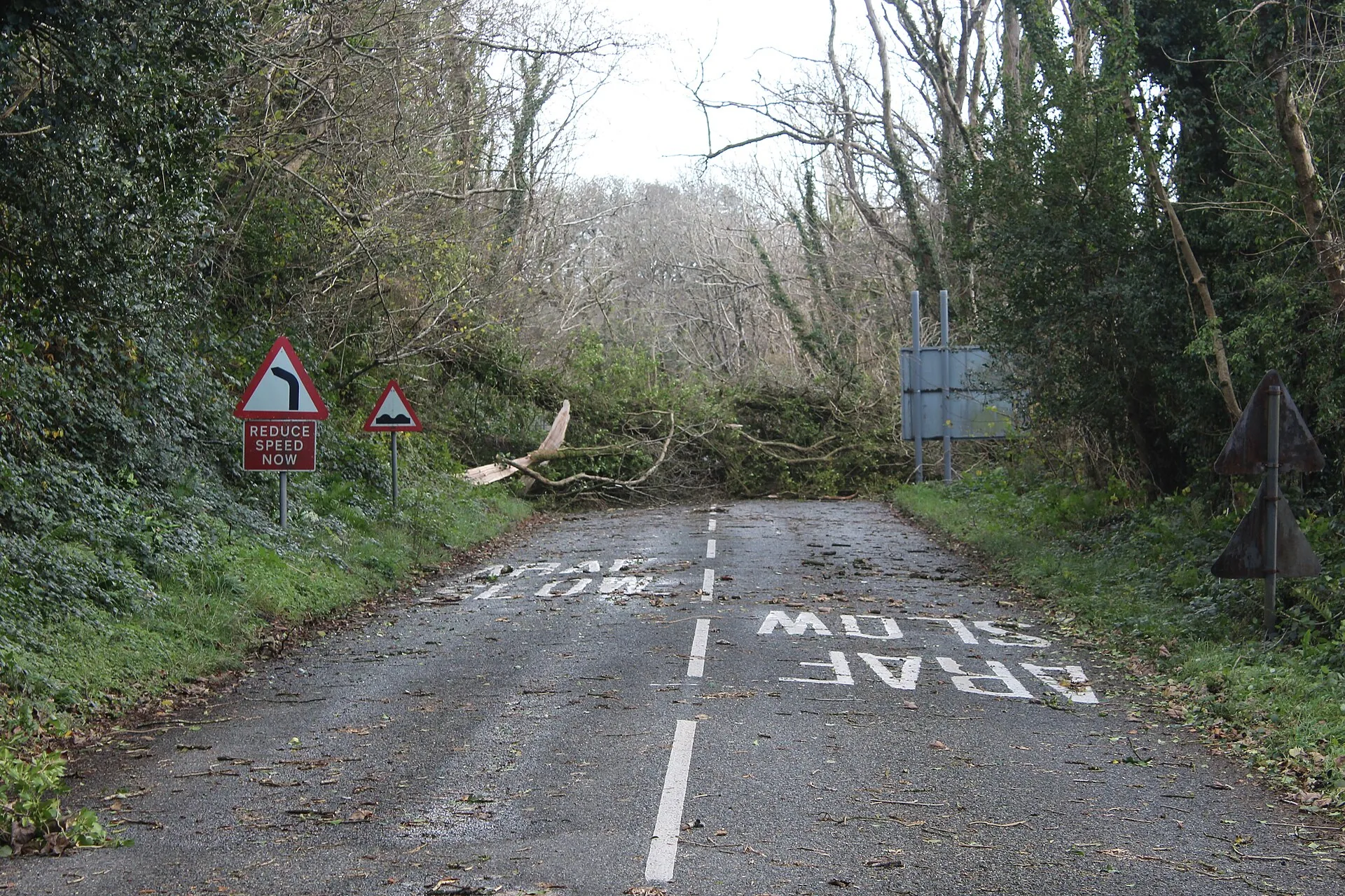
A fallen tree blocking a driveway or access route can become a priority when vehicles, utility crews, or emergency responders cannot pass.
Broken or Hanging Limbs
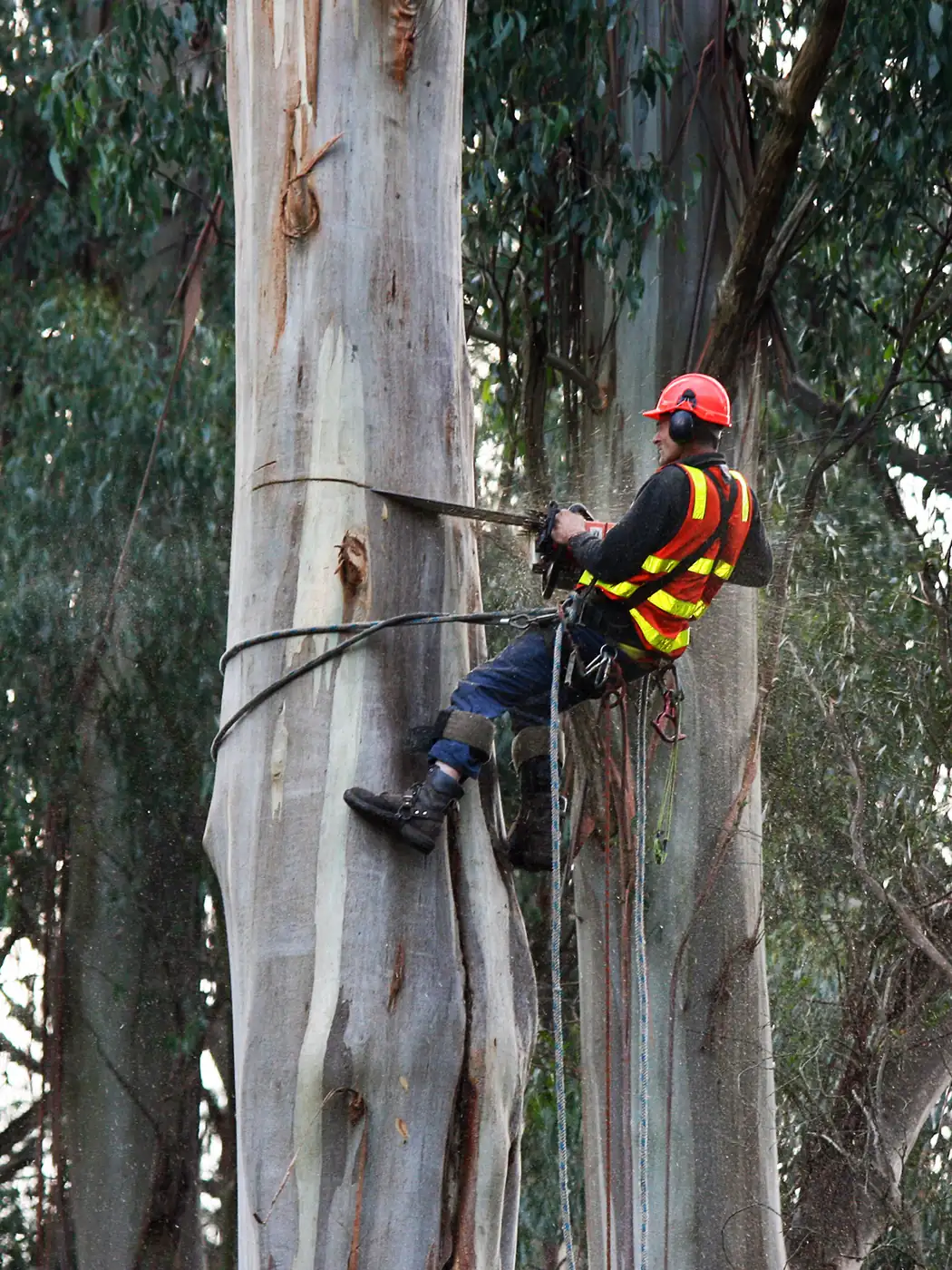
Partially attached limbs can fall without warning. Their attachment, weight, and landing zone should be assessed before cutting.
Uprooted or Leaning Trees
An uprooted or leaning tree may have a lifted root plate, exposed roots, cracked soil, or a new lean. Appearance alone does not show how much root support remains. A professional assessment helps determine whether the tree is stable or likely to fail.
Tree Fallen on a House or Structure
A tree fallen on a house, garage, or vehicle is an emergency because the trunk and limbs can load the roof, walls, or frame. Removing that weight can change how the remaining tree moves.
DIY removal adds risks from falling debris, shifting trunks, and further roof or wall damage. Crews remove the tree in sections, starting with the weight that is safest to lift off.
Inspection of the building itself is a separate task for the appropriate building professional, such as a roofing contractor, structural engineer, or insurance adjuster.
- Move people away from the affected area.
- Do not cut or climb the damaged tree yourself.
- Photograph the damage from a safe location.
- Have the tree removal scope documented separately from building repairs.
Tree on Power Lines
A tree on power lines is an electrical hazard that only the utility can make safe. Downed lines should always be treated as live.
Keep people, pets, and vehicles away from the tree and anything touching it. Report the lines to the electric utility, such as Georgia Power, and call 911 if there is an injury or fire.
What Storm Damage Can Leave Behind
Not every storm-damaged tree presents the same risk. The location, structural condition, and surrounding targets determine the removal approach.
Fallen, Hanging, Leaning, or Uprooted
A fallen tree blocking a driveway or road is a priority when it traps vehicles or limits access for emergency responders and utility crews. Removal order depends on safety, access, and the weight resting on structures.
Broken or hanging limbs are partially attached branches that can drop onto people, roofs, and vehicles without warning. Cutting changes how weight shifts and where the limb falls.
An uprooted or leaning tree may show a raised mound of soil, exposed roots, cracked ground near the base, and a new lean. A professional assessment confirms whether it is stable or likely to fail.
How to Assess a Storm-Damaged Tree
A professional assessment looks beyond the obvious broken branch and considers the complete work zone.
| Factor | What the Crew Checks |
|---|---|
| Location | Distance to houses, garages, fences, vehicles, and other targets. |
| Trunk | Cracks, splits, hollow sections, decay, and other structural damage. |
| Major Limbs | Broken, hanging, or split attachments and the weight they carry. |
| Root Plate | Lifted soil, exposed roots, ground movement, and signs of root failure. |
| Structural Damage | Weight resting on roofs, walls, vehicles, fences, or other objects. |
| Utility Proximity | Contact or near contact with power lines and other utility hazards. |
| Access | Equipment routes, driveway clearance, yard access, and work-zone limitations. |
| Fall Zone | People, property, structures, vehicles, and other objects within reach. |
An emergency tree assessment ends with a decision to remove, mitigate, or monitor the tree based on its condition and surrounding targets.
Can a Storm-Damaged Tree Be Saved or Does It Need Removal?
Storm damage does not automatically mean every tree has to come down. The decision depends on structural condition, root stability, location, and future risk.
A Tree May Be Saved
A storm-damaged tree can sometimes be saved when the trunk is intact, the roots remain stable, and damage is limited to minor limbs. Pruning or structural support is considered only when the tree is found to be structurally sound.
Removal May Be Necessary
Removal becomes necessary when the trunk is split, the root plate has lifted, or the tree threatens a target that cannot be protected. Decisions consider trunk integrity, root stability, crown and limb damage, species and prior condition, location, and future risk.
How Storm-Damaged Trees Are Safely Removed
Storm-damaged trees are removed in controlled stages so the crew can manage stored tension, weight, access, and the surrounding fall zone.
Site Assessment
Assess the tree, structures, utilities, access, and visible hazards.
Work-Zone Planning
Define the work area, landing area, and fall-zone controls.
Rigging
Install ropes and rigging where controlled movement is required.
Sectional Dismantling
Break the damaged tree into manageable sections rather than dropping the whole tree.
Controlled Lowering
Lower sections under control where the surrounding property requires it.
Ground Removal
Process trunks and limbs and remove the material from the work area.
Debris Cleanup
Clear remaining storm debris and leave the work area safe and usable.
Rigging and Controlled Lowering
Storm-damaged trees often cannot be handled like a healthy tree standing in an open yard. A damaged trunk or limb may already be under unusual tension.
Rigging allows sections to be managed rather than simply dropped. The crew evaluates the tree, attachment points, weight, landing zone, and surrounding structures before deciding how sections should be dismantled and lowered.
- Evaluate the damaged tree and work zone.
- Determine where sections can safely land or be lowered.
- Use appropriate rigging where controlled movement is required.
- Process and remove the sections from the ground.
Crane-Assisted Storm Damage Tree Removal
Some storm-damaged trees require specialized equipment because conventional climbing and rigging may be unsafe or impractical.
When a Crane May Be Considered
Crane-assisted removal can lift large sections in a controlled way in situations involving large trees, trees resting on structures, restricted landing zones, or difficult access. A crane is used only when the assessment and available service options call for it.
Storm Damage Tree Cleanup and Debris Removal
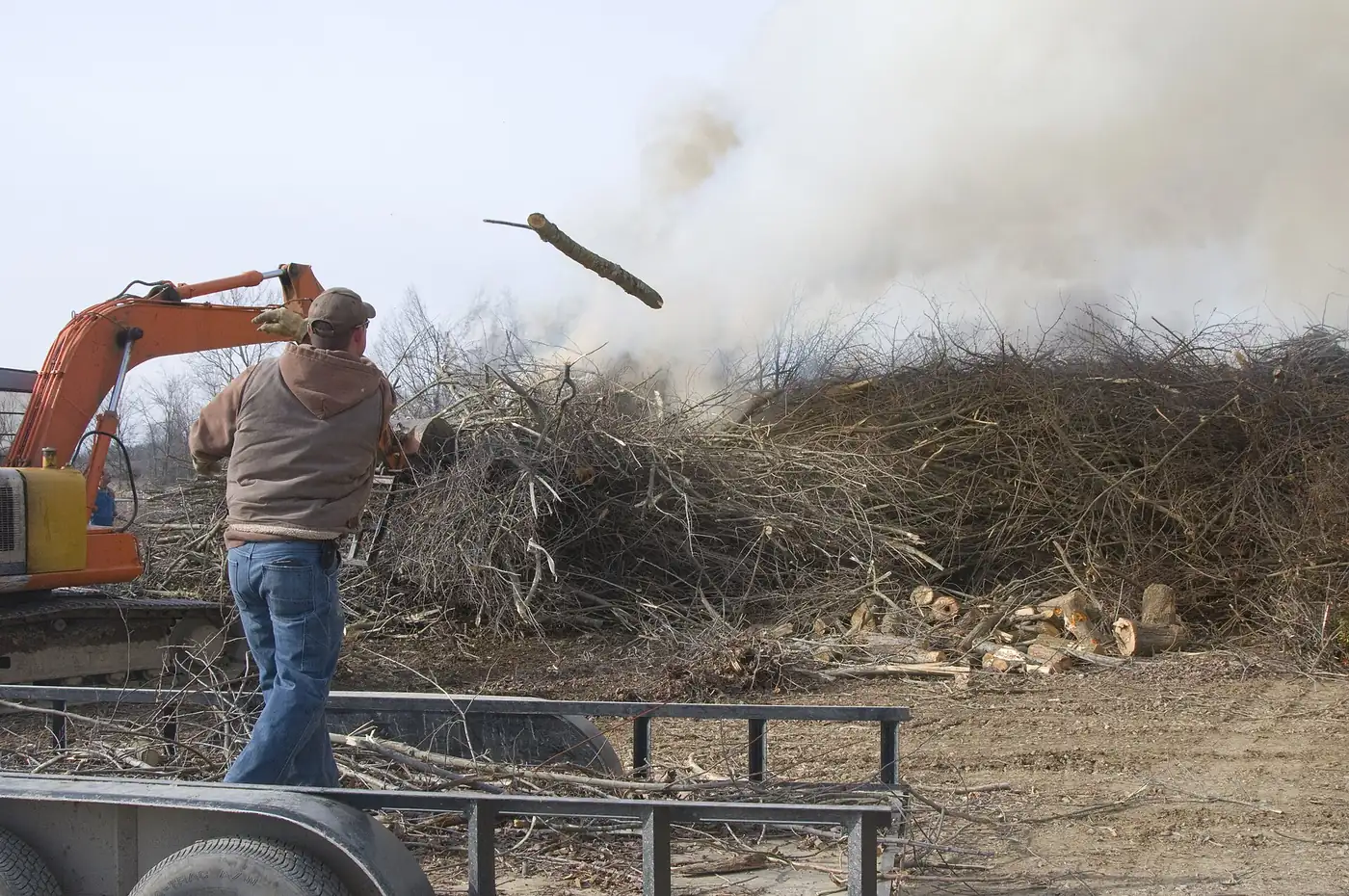
Storm damage tree cleanup covers the work that remains after the tree is down. Removal takes the tree down; cleanup clears what remains from the work area.
Stump Grinding is a separate step that removes the stump left in the ground. Confirm cleanup and stump work separately in the written estimate.
Storm Damage Tree Removal and Insurance Claims
Documentation can support an insurance claim because adjusters may review photos, estimates, invoices, and other records related to the damage.
Coverage decisions come from the insurance company and the policy terms, not from the tree service.
What Should You Document After Storm Tree Damage?
Keep a simple record of what happened, what was damaged, and what professionals recommend.
Storm date and type
Safe photographs
Affected structures
Tree location
Visible damage
Estimates and invoices
Assessment notes
Storm Damage Tree Removal in Augusta and the CSRA
Tree Removal Augusta provides storm-damaged tree removal in Augusta, Georgia, and nearby CSRA communities, including Richmond County and Columbia County.
The CSRA, short for Central Savannah River Area, is the region surrounding Augusta along the Georgia–South Carolina border. Severe thunderstorms, high winds, and ice can break and uproot trees across the region.
See All Service Areas →Storm Damage Tree Removal FAQs
Straight answers to common questions Augusta homeowners have after storm damage.
What should I do if a tree falls on my house?
Move everyone out of the affected area, call 911 if anyone is injured or the structure is unstable, photograph the damage from outside, and call a tree service for assessment and removal. Avoid entering rooms beneath the tree. Removal is performed after the weight and surrounding hazards are assessed.
What should I do if a tree falls on power lines?
Stay away from the tree, the lines, and anything touching them, and treat every line as live. Call the electric utility, and call 911 if there is an injury, fire, or line on a vehicle. Tree removal begins after the utility makes the lines safe.
Can an uprooted or leaning tree be saved?
An uprooted or leaning tree can be saved only when the roots, trunk, and canopy remain sound and no target sits in the fall zone. A lifted root plate or new lean can indicate failure risk. A professional assessment determines whether mitigation or removal is appropriate.
Does storm tree removal include debris cleanup?
Removal takes the tree down, while cleanup clears the resulting debris. Cleanup can include chipping branches, hauling logs and limbs, and clearing the work area. Confirm exactly what cleanup is included in the written estimate.
How quickly should a storm-damaged tree be removed?
Urgency depends on the hazard rather than a fixed timeframe. Trees on structures, touching power lines, blocking access, or standing unstable with hanging limbs are more urgent than a stable tree with no nearby target.
How much does storm tree removal cost?
The cost depends on tree size, location, structural involvement, access, rigging, crane requirements, debris volume, and urgency. A trunk resting on a roof generally requires a different removal approach from a tree lying in an open yard. Call (706) 555-0142 for an assessment and quote.
Tree Removal Augusta is a referral service that connects homeowners and property owners with an independent tree contractor. The contractor performs the physical tree work. Before work begins, homeowners should review the written scope, insurance documentation, and responsibilities for removal, cleanup, and any related services.
Storm Damage Tree Removal in Augusta, GA
Storm damage tree removal starts with an assessment, continues with safe sectional removal, and ends with debris cleanup. From a fallen tree on a house to a tree blocking access, the right removal plan depends on the hazards surrounding the tree.
Call (706) 204-75472215 Tobacco Rd, Augusta, GA 30906, USA