Emergency Tree Removal Augusta GA
When a fallen tree, hazardous limb, leaning tree, damaged structure, or power-line hazard creates an immediate problem, Tree Removal Augusta provides emergency tree removal and storm-damage response for Augusta, GA property owners.
24/7 Emergency Tree Response in Augusta
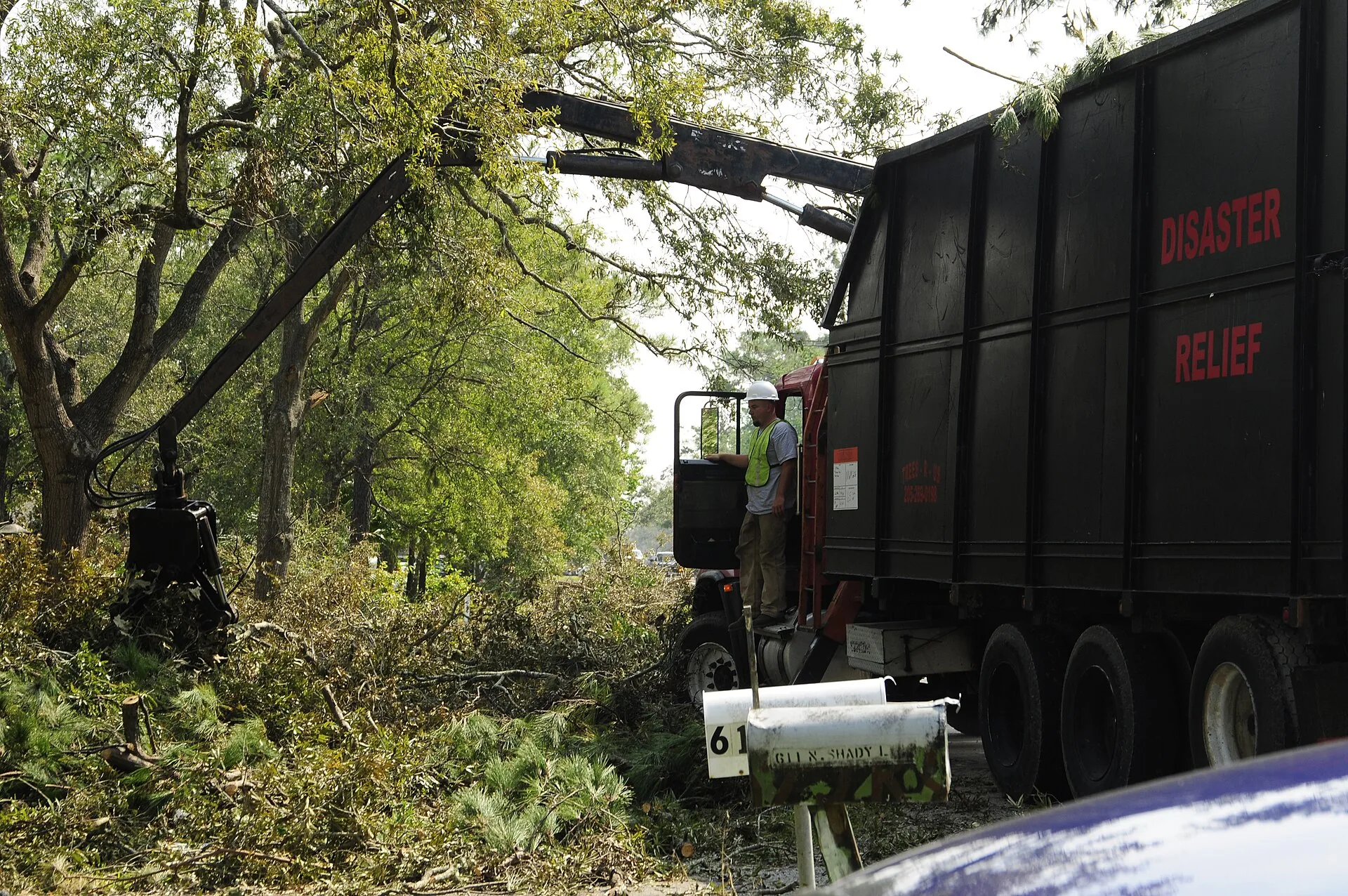
Tree Removal Augusta takes emergency tree calls 24 hours a day, 7 days a week in Augusta, GA. Dispatch needs five key details to understand the hazard and plan the appropriate crew and equipment.
Photos taken from a safe distance can help with the initial assessment, but never enter a hazardous area to take photographs.
Start an Emergency RequestWhen You Need Emergency Tree Removal
Emergency tree removal applies when a tree or limb threatens people, structures, utilities, or access. Planned pruning, trimming, and non-urgent removals belong under standard tree removal service.
Fallen & Storm-Damaged Trees
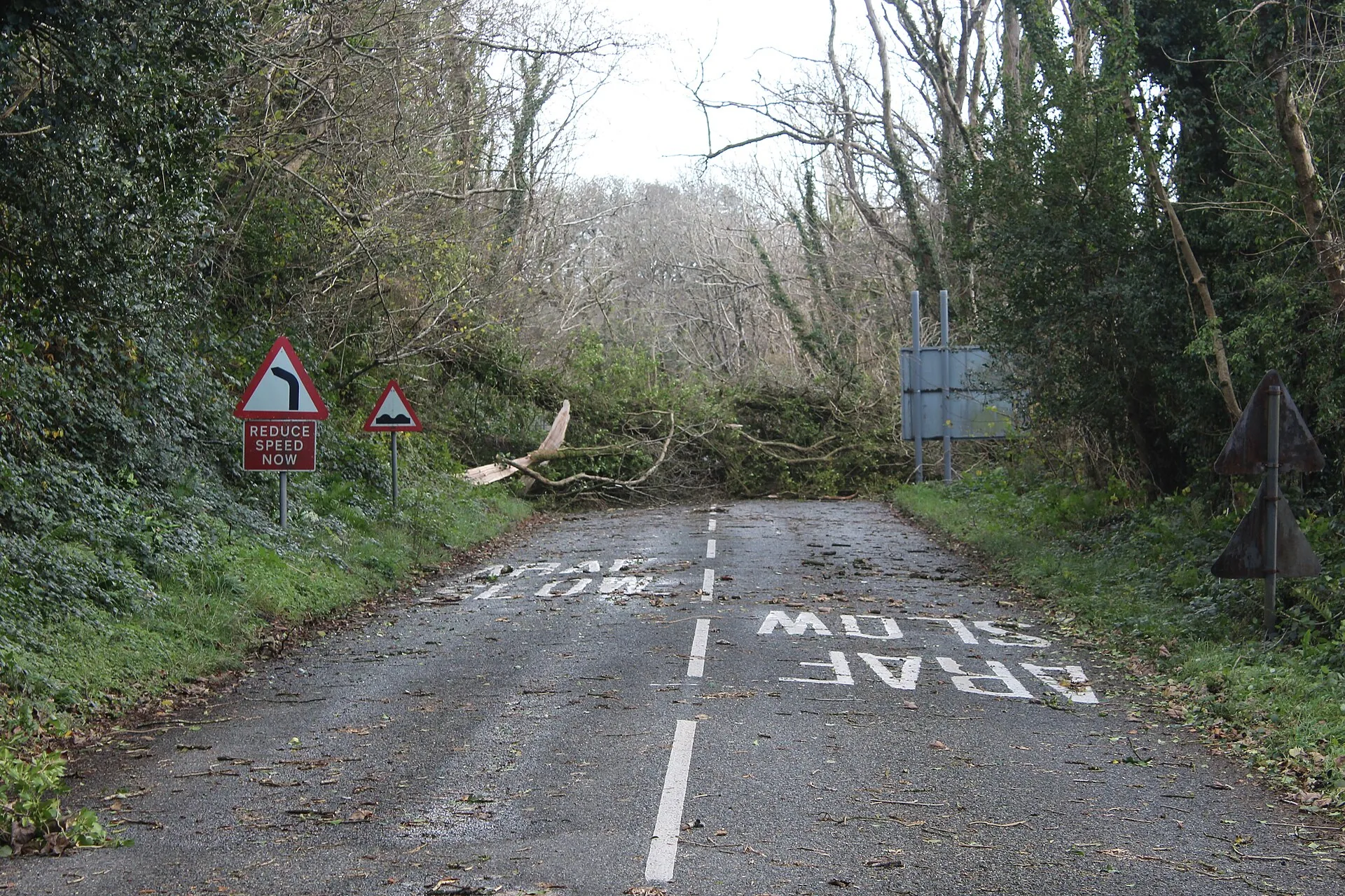
Uprooted trees, snapped trunks, split crowns, and heavy limbs blocking driveways, roads, gates, vehicles, fences, or yards require careful removal because damaged wood can shift under tension.
Trees on Houses & Structures
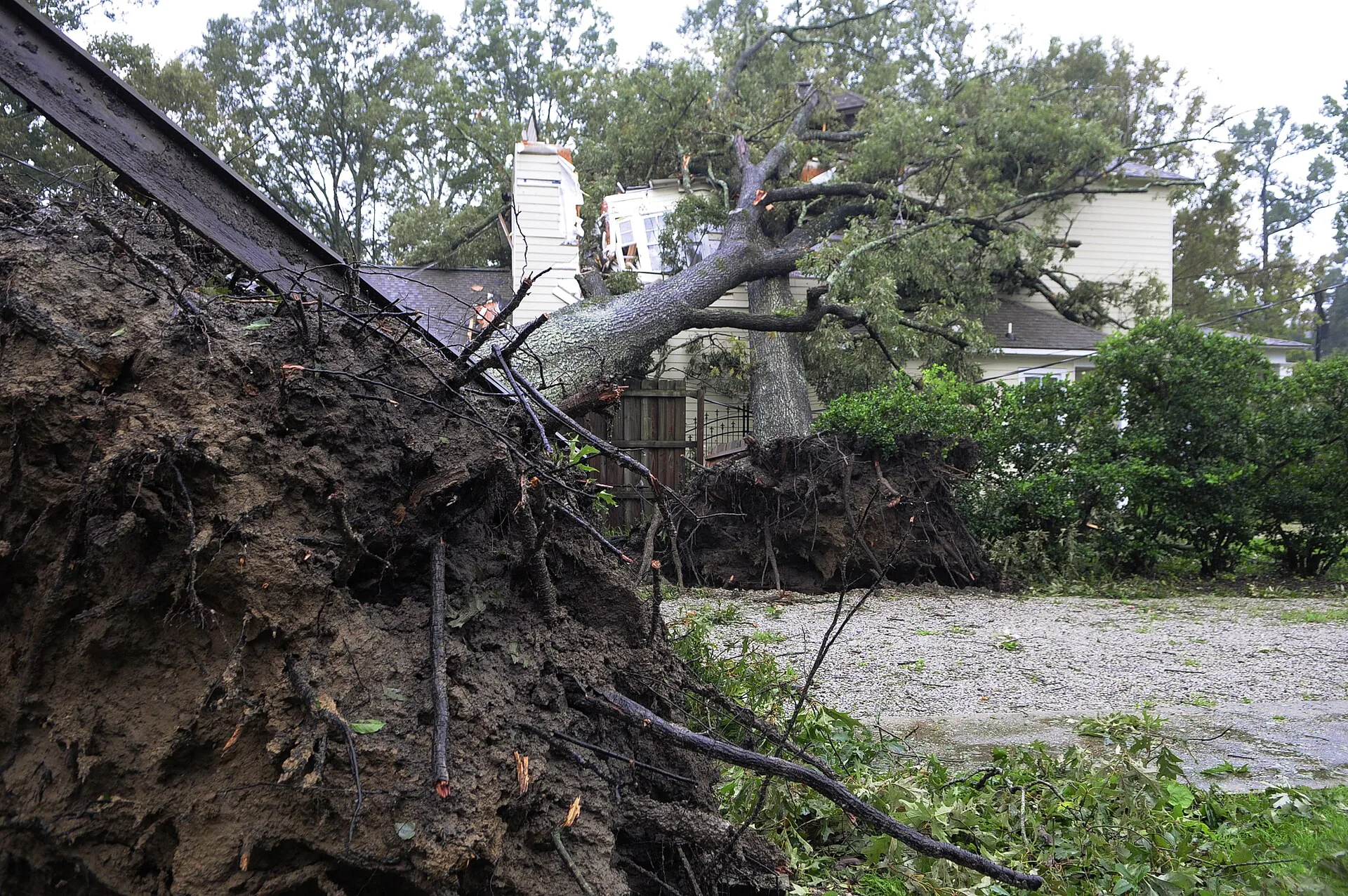
A tree or large limb on a roof, house, garage, or other structure requires an assessment before cutting begins so the removal sequence does not unnecessarily shift the load.
Trees on or Near Power Lines
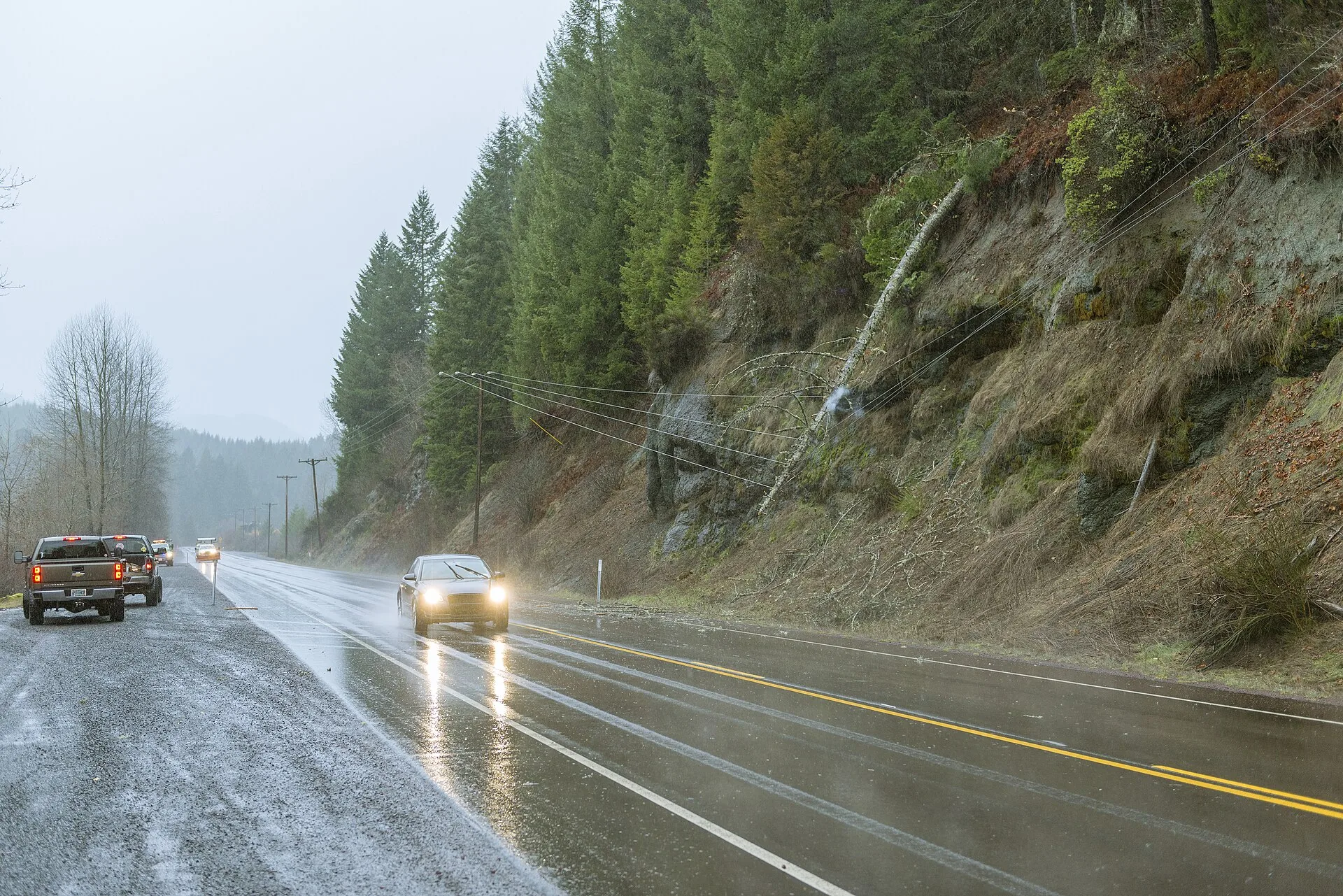
Trees contacting or dangerously close to power lines require utility coordination. Treat every downed, sagging, or tangled line as live and stay away until the utility confirms the area is safe.
Leaning, Broken & Hanging Trees
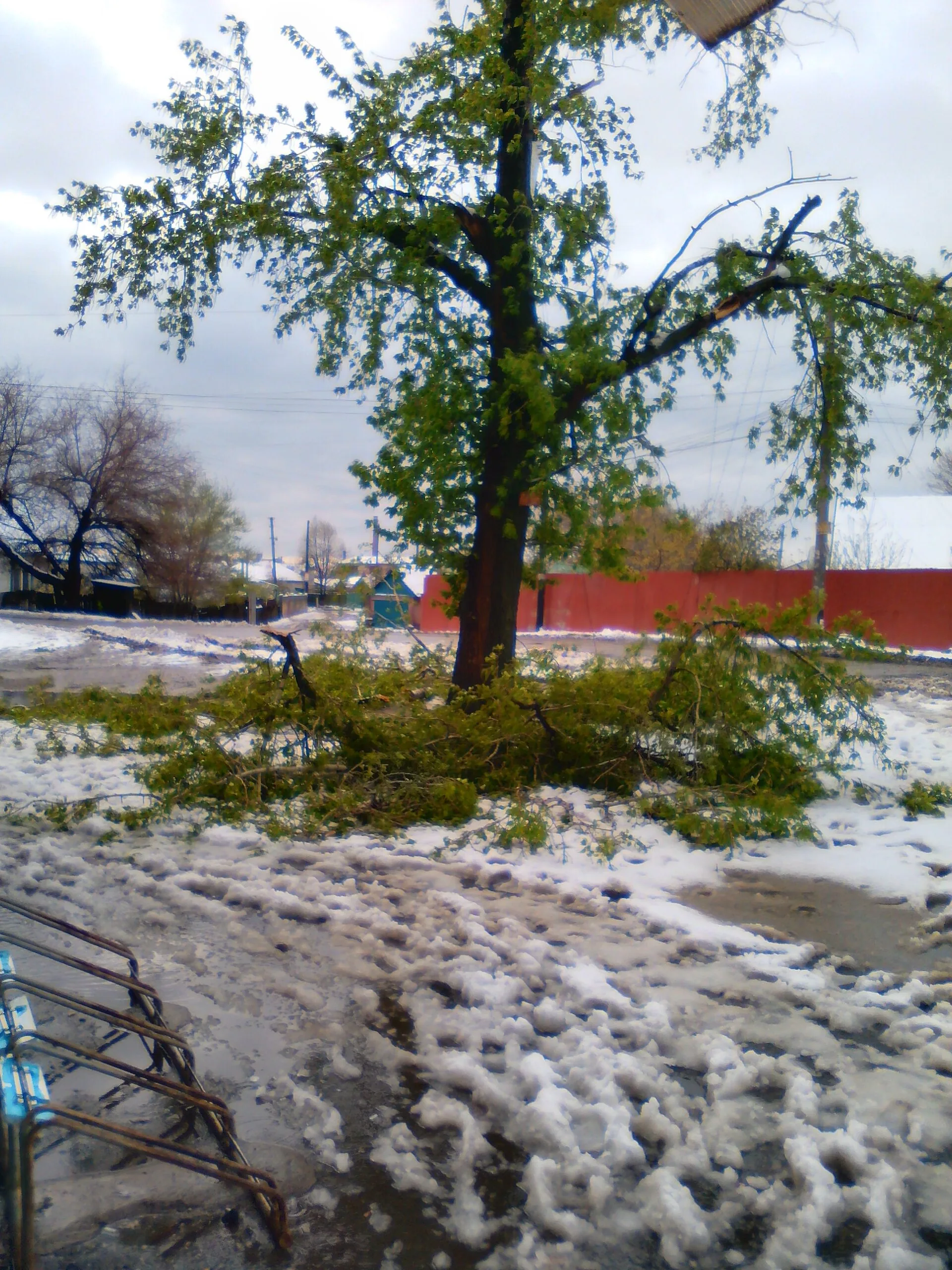
New lean, split limbs, hanging branches, cracked soil, and broken wood can indicate unstable conditions that may fail without warning.
Trees on Power Lines Require Utility Coordination
A tree touching or tangled in a power line is a life-threatening hazard. Do not attempt to cut, move, climb, or drive over the tree or lines.
Keep people and pets away, call 911 if anyone is in immediate danger, and report the line to the electric utility. Tree work near the line begins only after the utility confirms the lines are safe.
Fallen Trees Can Hide Tension and Structural Movement
Fallen trees and storm-damaged trees require rapid professional removal because trunks and limbs under tension can move when cut.
Common emergency conditions include uprooted trees with exposed root plates, snapped trunks, split crowns, blocked driveways, and heavy limbs resting on structures or vehicles.
Crews cut damaged trees into controlled sections, remove each piece, and clear the debris so driveways, entrances, and affected areas can be reopened.
Request Storm-Damage Service
Tree on a House, Roof or Garage
A tree or large limb on a structure requires an emergency assessment before cutting starts. Damaged framing, shingles, ceilings, and other components may be carrying the weight of the tree.
Controlled tree-on-house removal can lower sections with rigging or lift sections away with a crane instead of dropping them onto the structure.
Leaning, Broken & Hanging Trees Can Fail Without Warning
Hanging branches lodged in a canopy can become unstable when wind, vibration, or additional movement changes the load. New lean or cracked soil around the base can also indicate a structural or root-related concern.
Four warning signs deserve attention:
Professional assessment identifies the likely failure point and determines an appropriate cutting direction and removal method.
Emergency Tree Removal Process
Every emergency tree removal service follows a structured sequence: emergency call, assessment, hazard evaluation, method selection, controlled removal, and debris cleanup.
Take the Emergency Call
Record location, tree condition, structure involvement, power-line information, and access conditions.
Initial Assessment
Confirm the hazard type and determine the crew and equipment requirements.
Evaluate Site Hazards
Review structures, utility lines, ground conditions, access, and potential fall zones.
Select Removal Method
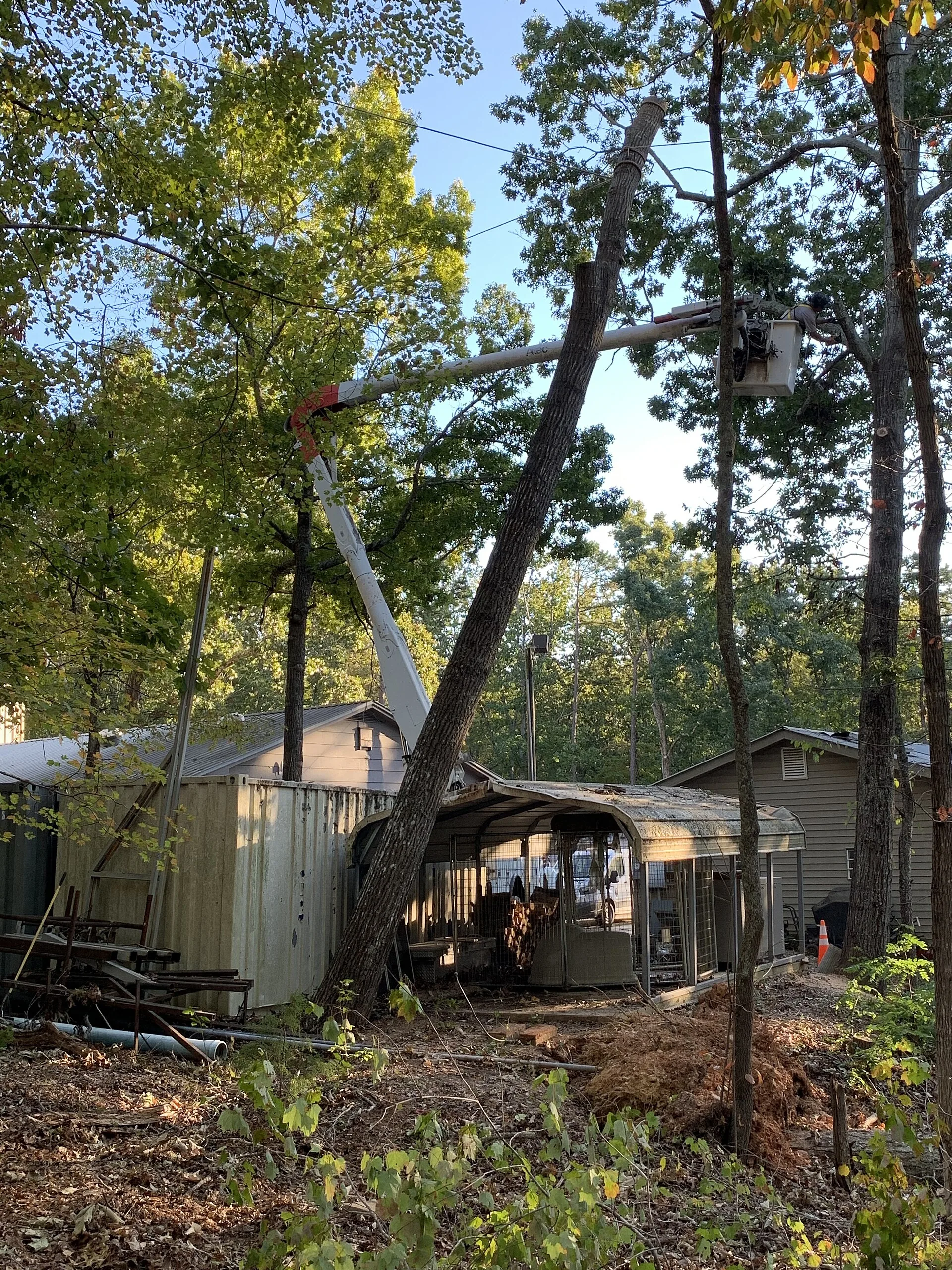
Choose hand cutting, rigging, bucket access, crane lifting, or another appropriate method.
Controlled Removal
Cut and lower or lift the tree in controlled sections according to site conditions.
Clear the Debris
Remove branches, logs, and brush from the affected area so access can be restored.
Professional Tree Hazard Assessment
Before emergency removal, the crew evaluates the tree, surrounding structures, access conditions, and utility hazards to determine how the tree should be handled.
| Factor | What the Assessment Checks |
|---|---|
| Tree Condition | Decay, cracks, cavities and dead wood in the trunk and crown. |
| Lean | Direction and degree of tilt and whether the lean appears new. |
| Broken Limbs | Split, hanging and partially detached branches. |
| Root Damage | Lifted soil, exposed roots, severed roots and root-plate movement. |
| Structures | Houses, roofs, garages, fences and vehicles within the potential fall zone. |
| Access | Gates, driveways, slopes, soft ground and equipment limitations. |
| Utility Hazards | Overhead lines, service drops and other utility concerns. |
Emergency Tree Removal Equipment
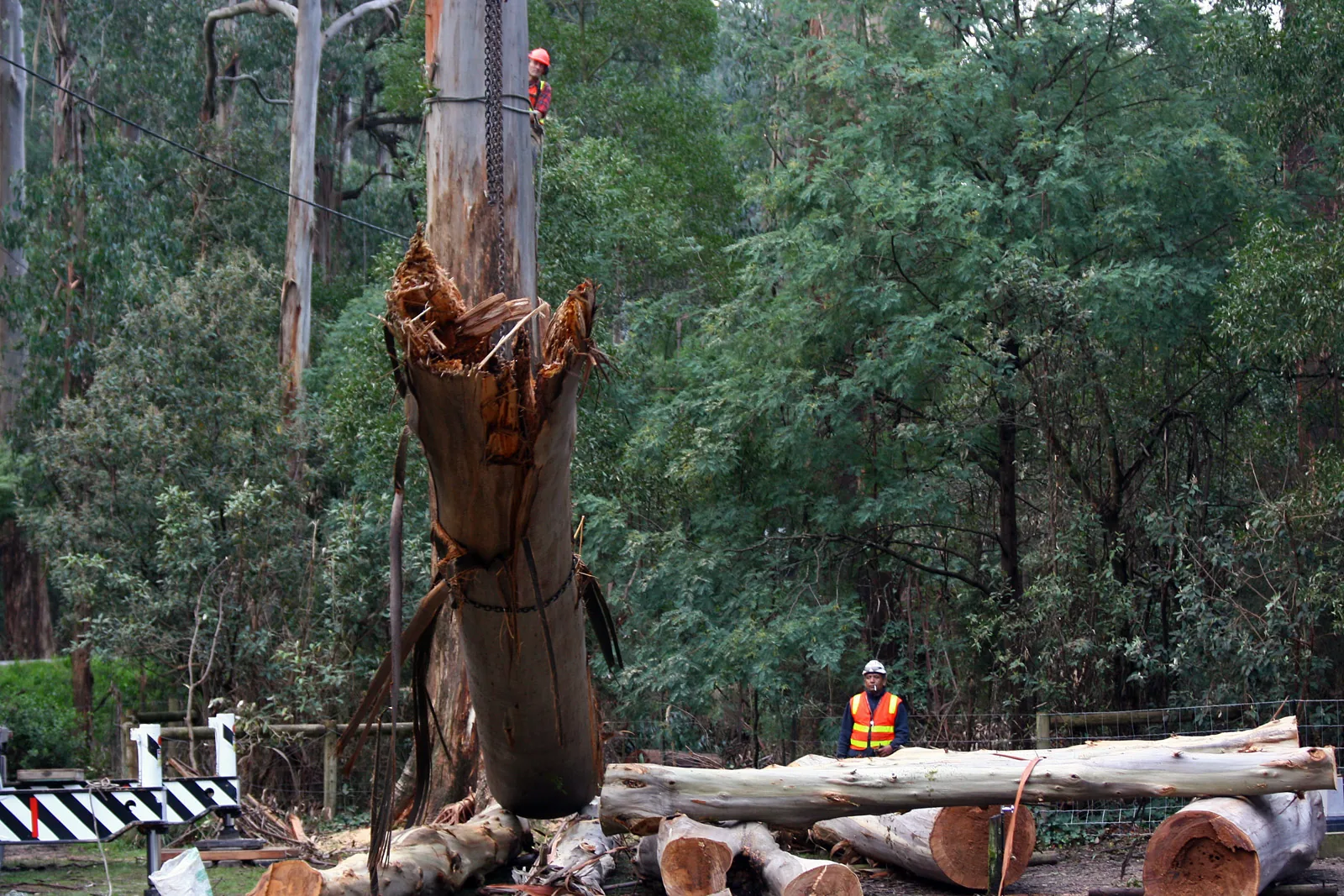
Equipment selection depends on tree size, structure proximity, ground conditions, utility concerns, and access. The objective is controlled removal rather than simply cutting the tree down.
Crane-Assisted Emergency Tree Removal
Some emergency trees cannot be safely handled from the ground because a house, pool, utility corridor, fence, or limited access sits beneath or around the tree.
When site conditions support it, crane removal can lift large sections vertically and move them to a designated landing area instead of allowing them to fall across the property.
Crane use depends on access, ground conditions, lift requirements, overhead hazards, and the structure of the tree.
Emergency Tree Cleanup & Debris Removal
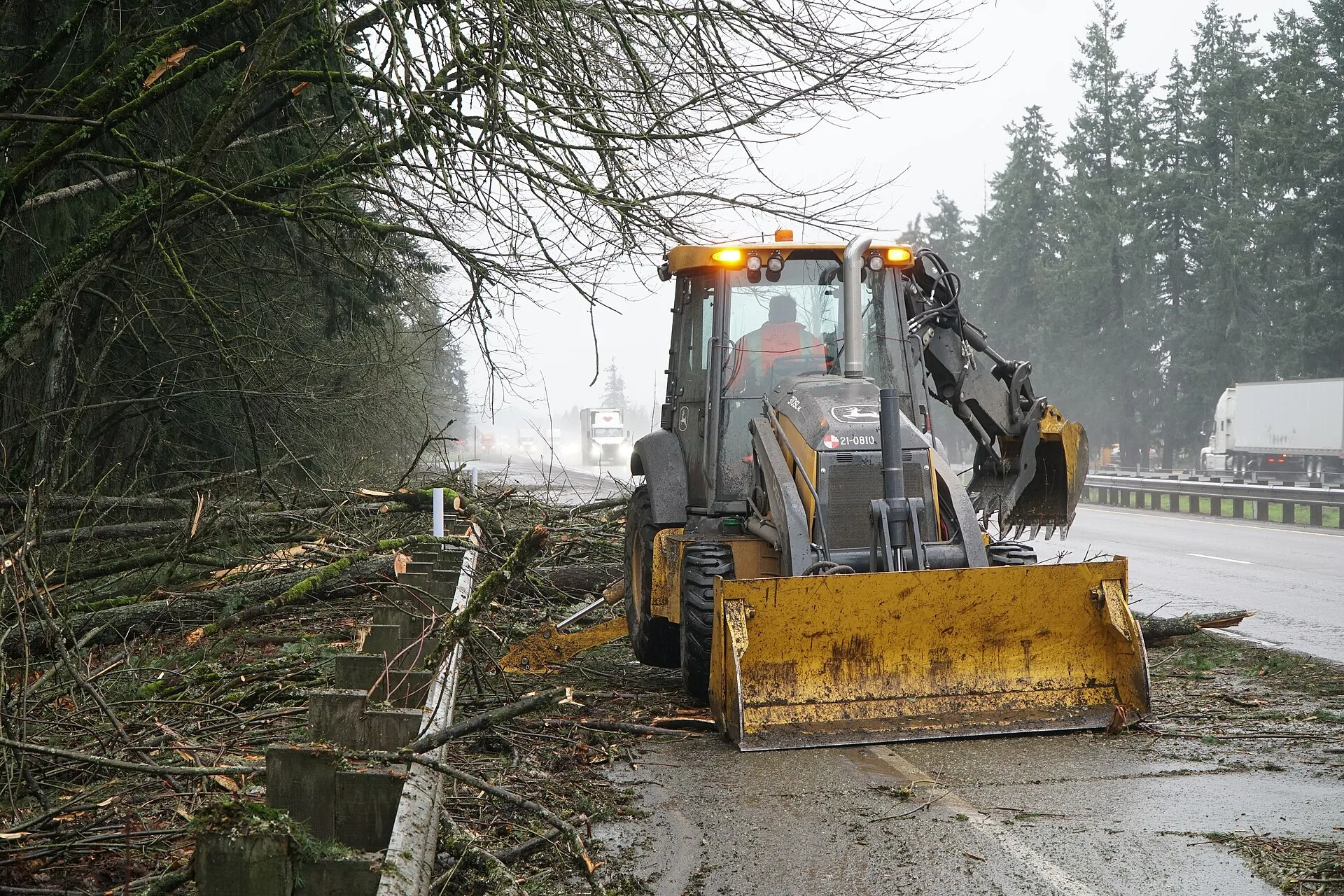
Emergency cleanup removes branches, logs, and storm debris after the hazardous tree has been handled.
Clearing the affected area restores driveways, roofs, yards, entrances, and access routes so the property can be used again.
Larger storm debris cleanup across an entire property may fall under storm cleanup service, while the hazardous tree removal itself is handled as tree removal.
Emergency Tree Service Cost Factors
Emergency tree service cost depends on the tree, hazard, location, access, equipment requirements, and cleanup. A tree resting on a roof can require substantially different work from a fallen tree in an open yard.
Insurance Documentation After Tree Damage
Coverage for storm-related tree removal depends on the homeowner’s policy and the circumstances of the loss. Keep photographs, estimates, invoices, and other relevant records for the insurance claim.
Why Choose Our Emergency Tree Service
Before publishing specific business credentials, equipment counts, years of experience, or review statistics, verify each claim and replace the placeholders below with the actual information.
Emergency Availability
Emergency calls are presented as available 24/7 in Augusta, GA.
Licensing & Insurance
Add verified license and insurance information here.
Experience
Add verified years in business and representative job types here.
Equipment
Add only equipment actually available, such as bucket trucks, cranes, or chippers.
Cleanup
Specify the actual cleanup and hauling scope offered on emergency jobs.
Customer Reviews
Add the verified review count and rating rather than an estimated or outdated number.
Emergency Tree Service Areas Around Augusta
Tree Removal Augusta provides emergency tree service in Augusta, Richmond County, and nearby CSRA communities, including Evans, Martinez, and Grovetown.
The CSRA — Central Savannah River Area — is the region centered on Augusta across Georgia and South Carolina.
Office: Augusta South Square, 2215 Tobacco Rd, Augusta, GA. Call to confirm emergency coverage for a specific address.
Confirm Emergency Coverage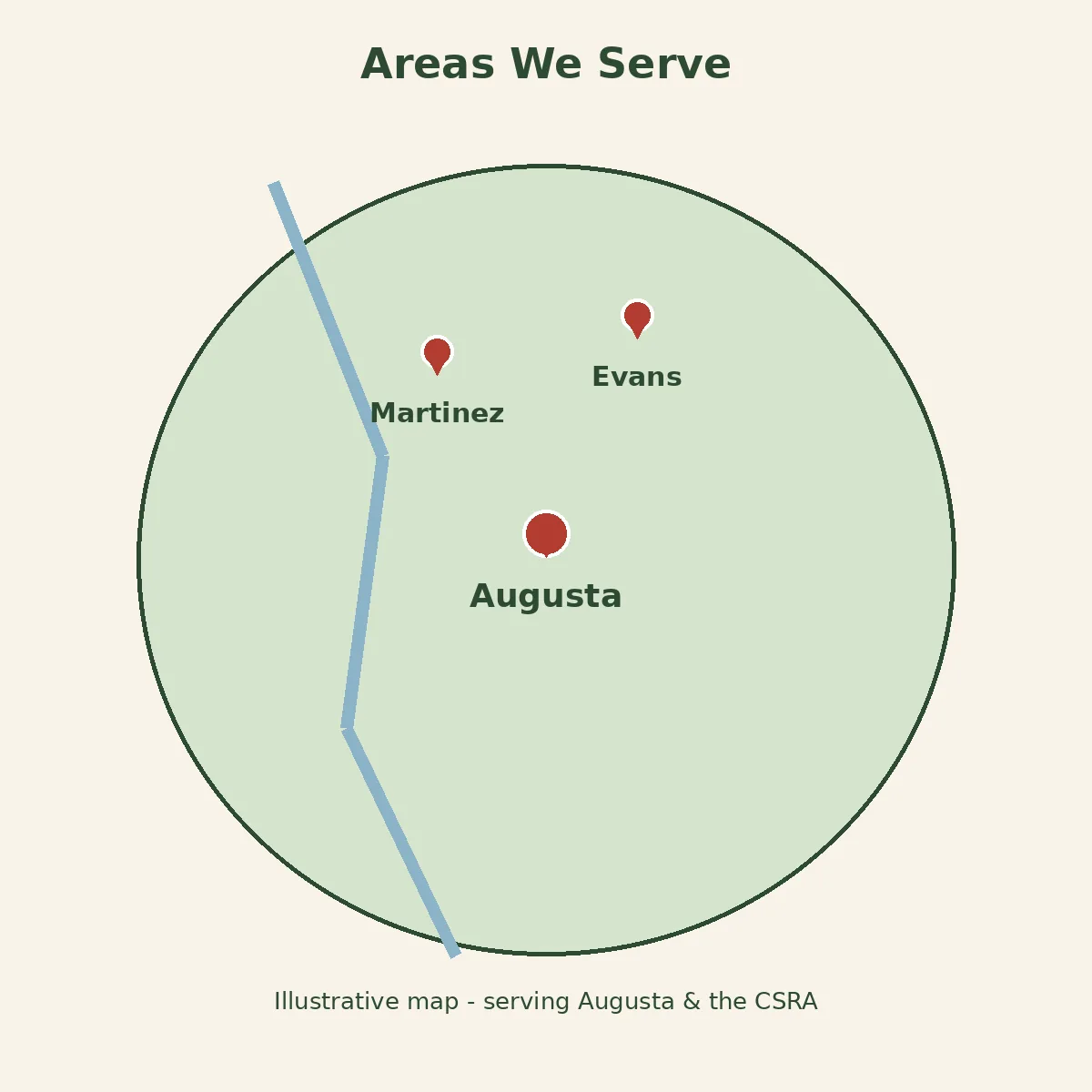
Emergency Tree Service FAQ
Answers to common questions about emergency tree removal in Augusta, Georgia.
How quickly can emergency tree service respond?
Business-specific response capability should be verified before publishing a guaranteed response time.
Do you remove trees after storms?
Can you remove a tree that fell on a house?
What should I do if a tree is on power lines?
Do you provide emergency tree cleanup?
What information should I provide when I call?
Is emergency tree removal different from standard tree removal?
A Tree Emergency Requires the Right Plan — Not a Faster Chainsaw.
Call Tree Removal Augusta for emergency tree service involving fallen trees, storm damage, trees on houses, hazardous limbs, leaning trees, and trees near power lines.
Every emergency tree removal job begins with a hazard assessment, continues with controlled removal, and ends with debris cleanup.