Tree Hazard Assessment Augusta GA
A tree risk assessment is a structured inspection that identifies tree defects, evaluates the likelihood of failure, considers nearby targets, and recommends action to reduce injury or property damage.
What Is a Tree Risk Assessment?
A tree risk assessment is a systematic evaluation of a tree’s condition, structural defects, potential for failure, and the consequences if a tree or tree part falls.
The assessment looks beyond leaf color or general appearance. Roots, trunk, stems, branches, surrounding conditions, and nearby targets all help determine the level of risk.
Related terms include tree hazard assessment, tree risk evaluation, and tree safety assessment.
Three useful outputs
A professional assessment should give the property owner a clear picture of what was observed and what should happen next.
Tree Health vs. Tree Risk
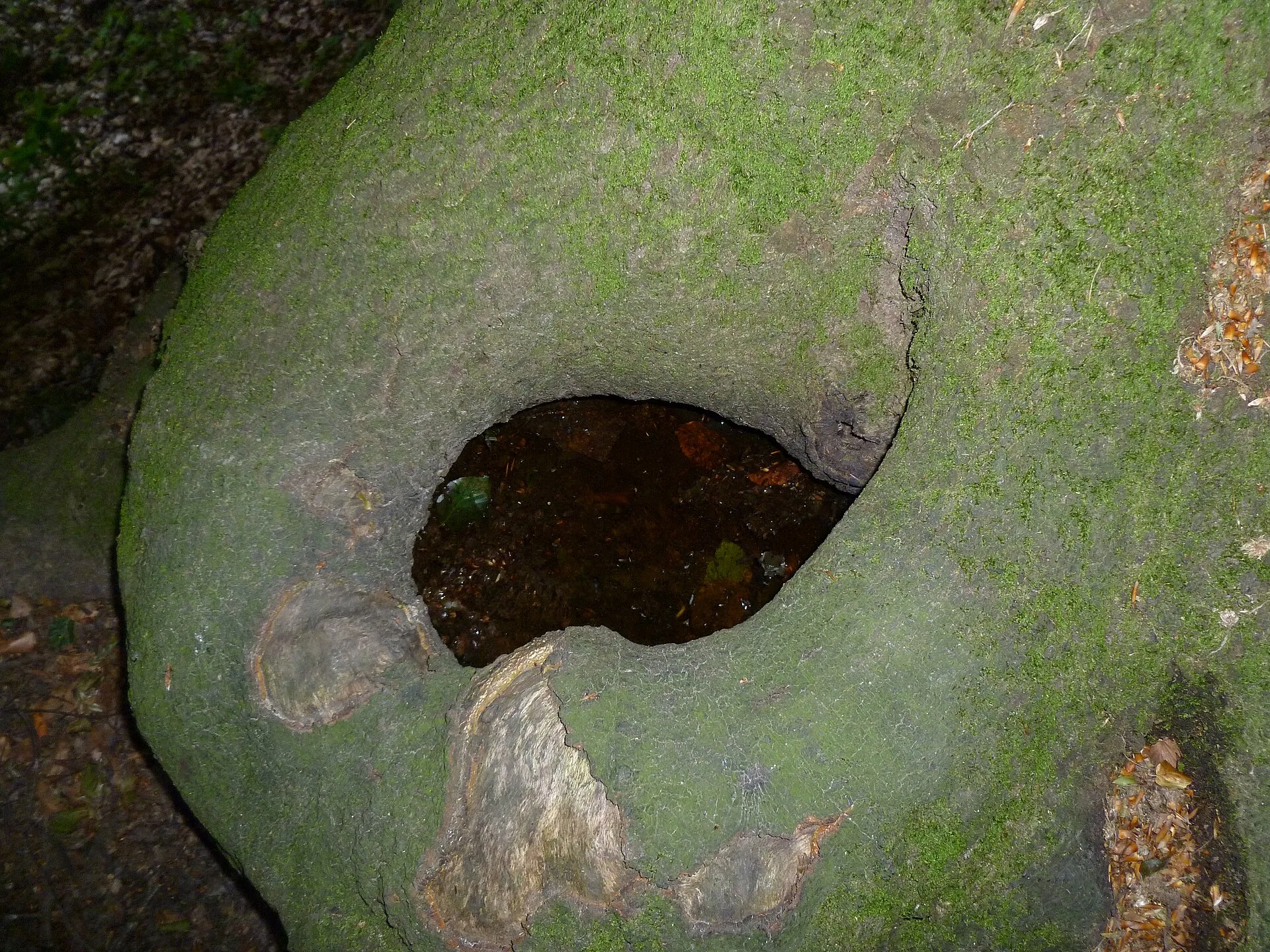
Tree health describes biological vigor. Tree risk describes the possibility of failure and the consequences if failure affects a person or property.
When Is a Tree Risk Assessment Needed?
Certain visible changes should prompt a closer look, especially when the tree is close to a house, vehicle, driveway, utility line, or area where people regularly gather.
Leaning Trees & Structural Concerns
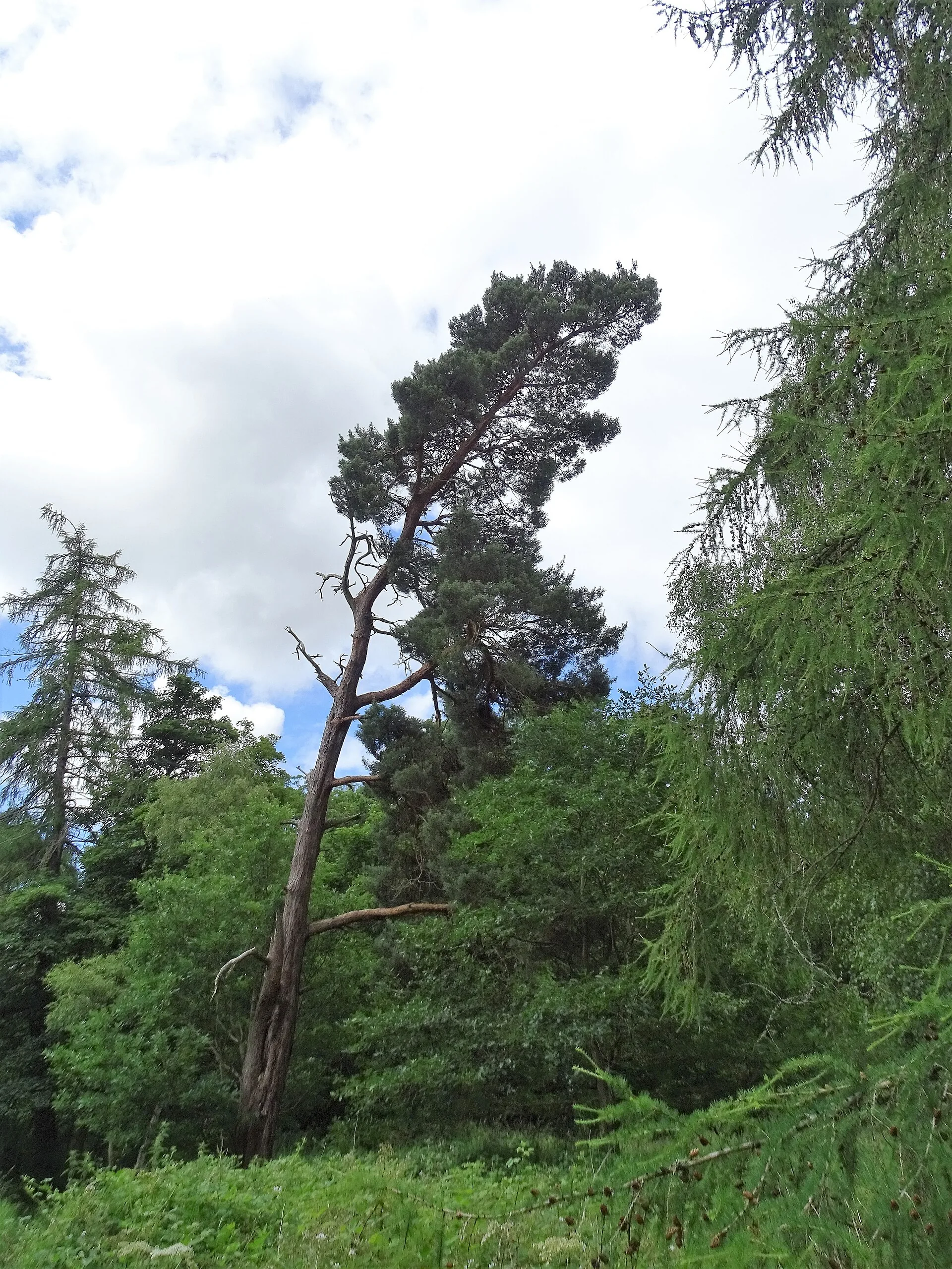
A sudden lean combined with soil movement may indicate root failure. Longstanding compensated lean can be different, but cracks, included bark, or codominant stems warrant evaluation.
Cracks, Cavities & Decay
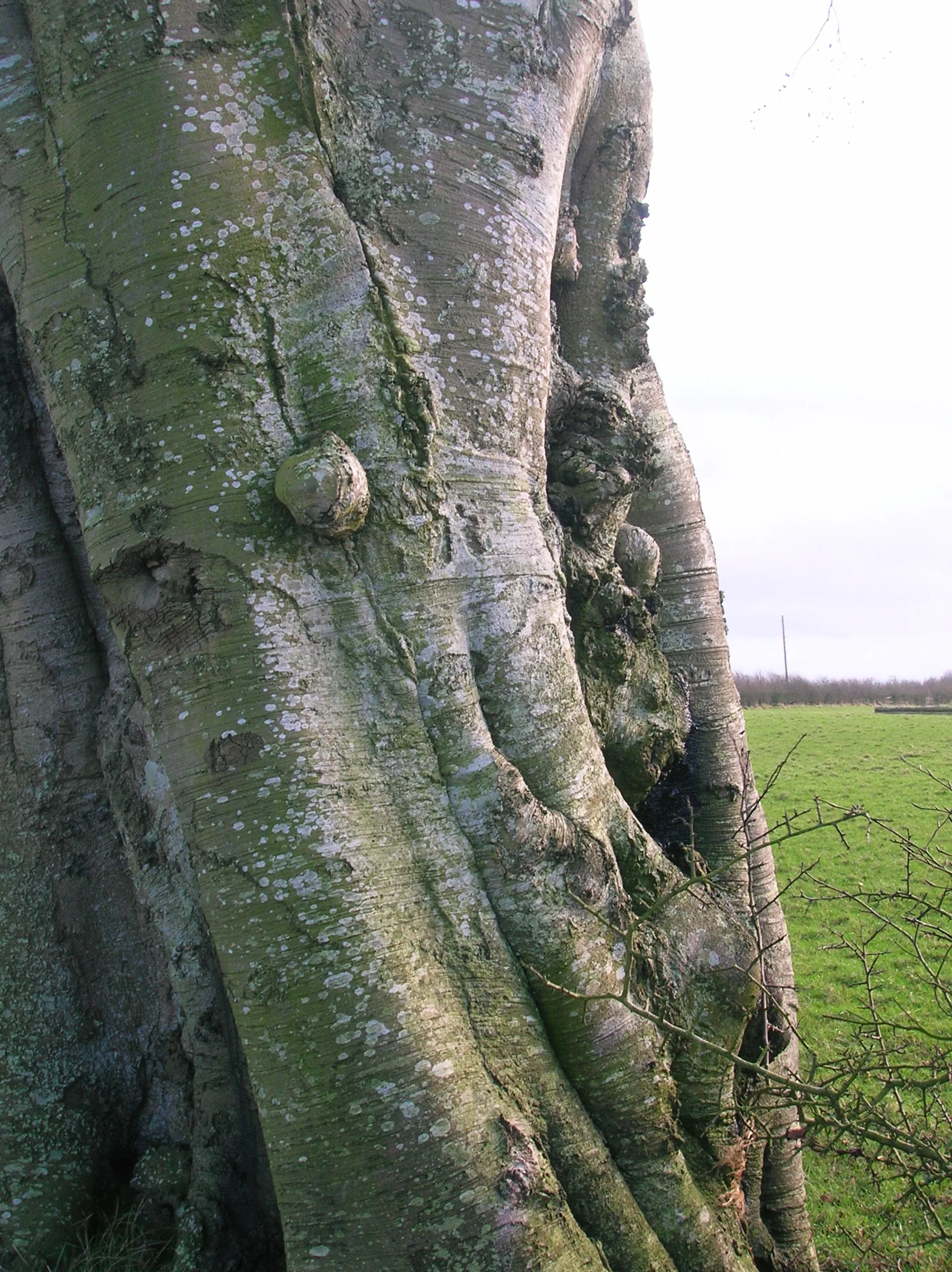
Vertical cracks, open cavities, fungal growth, and visible decay can indicate compromised wood. External signs do not always show the full extent of internal decay.
Root & Soil Problems
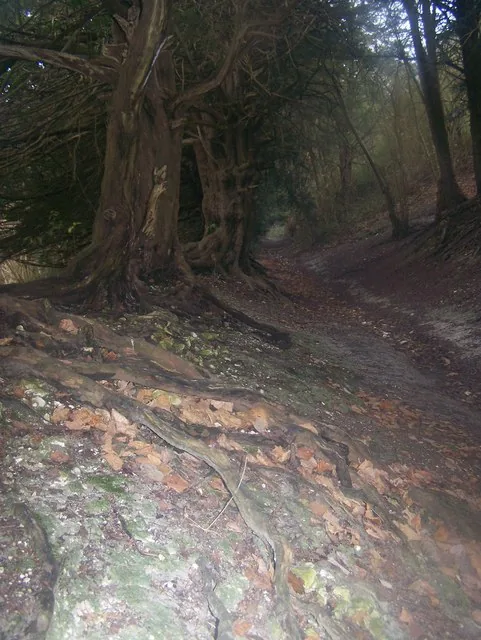
Exposed roots, heaved soil, fresh gaps, trenching, grade changes, and pavement near the trunk can affect the root system that helps hold a tree upright.
Storm-Damaged Trees
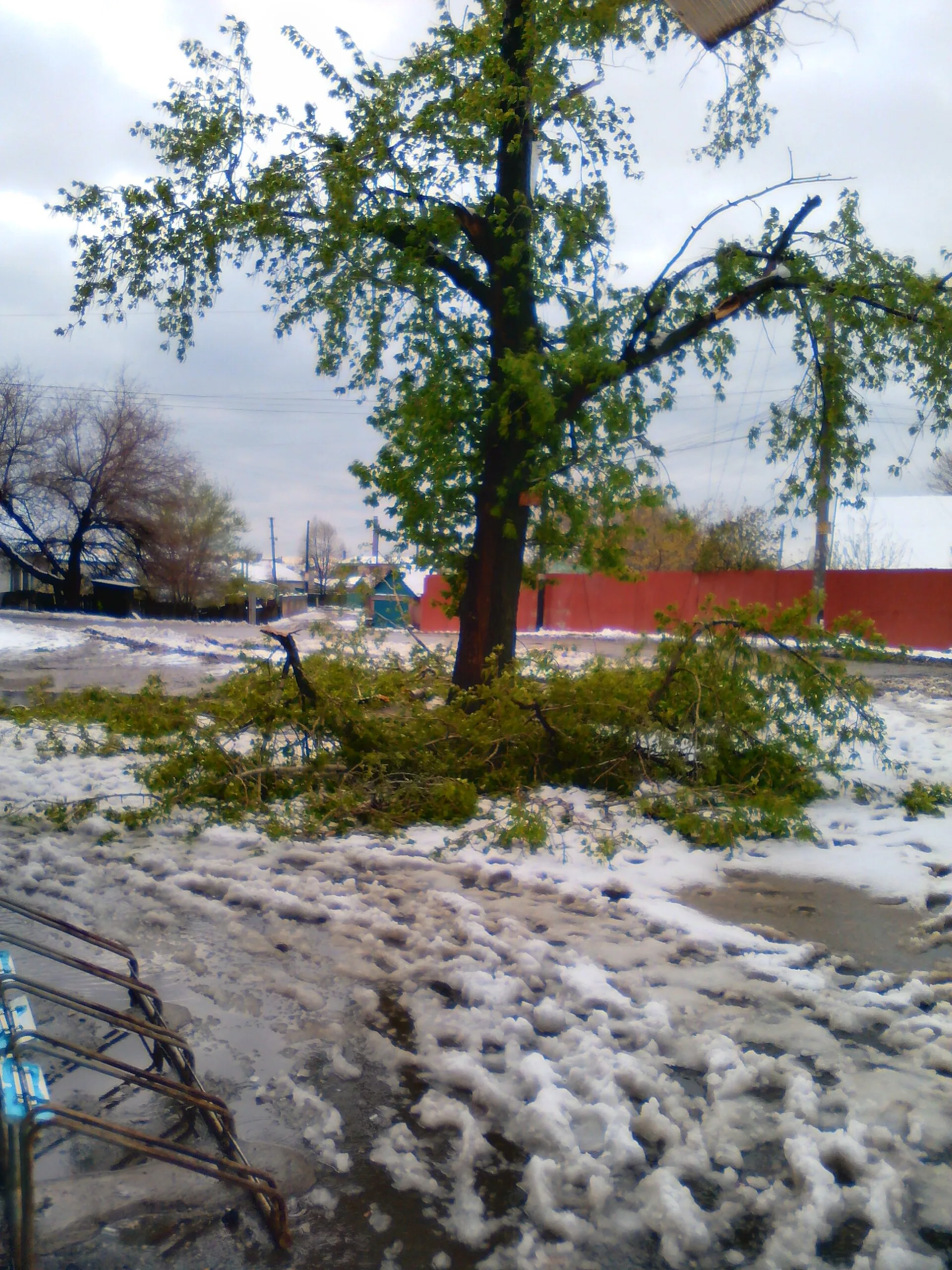
Broken limbs, hanging branches, new lean, fresh cracks, and soil movement can appear after severe weather. A post-storm assessment helps identify hazards that are not obvious from the ground.
Tree Risk Assessment Services: How the Process Works
The assessment starts with the site and the target, moves through the tree itself, and finishes with documented recommendations.
Define Scope & Target
Identify the tree, site, surrounding property, and targets such as buildings, vehicles, fences, utility lines, or gathering areas.
Inspect the Tree
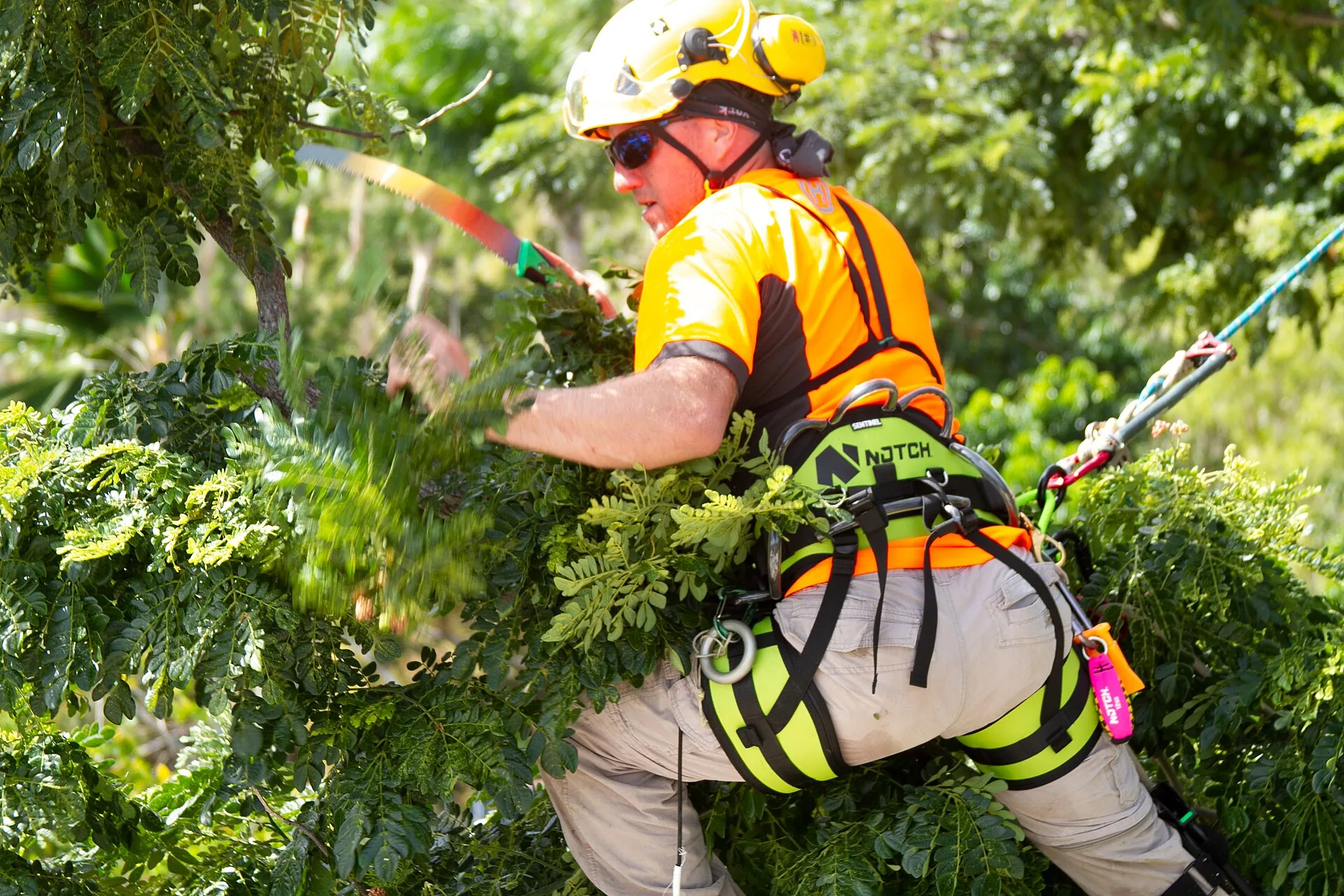
Review the root flare, root plate, trunk, stems, branches, and canopy using appropriate visual inspection techniques.
Evaluate Risk
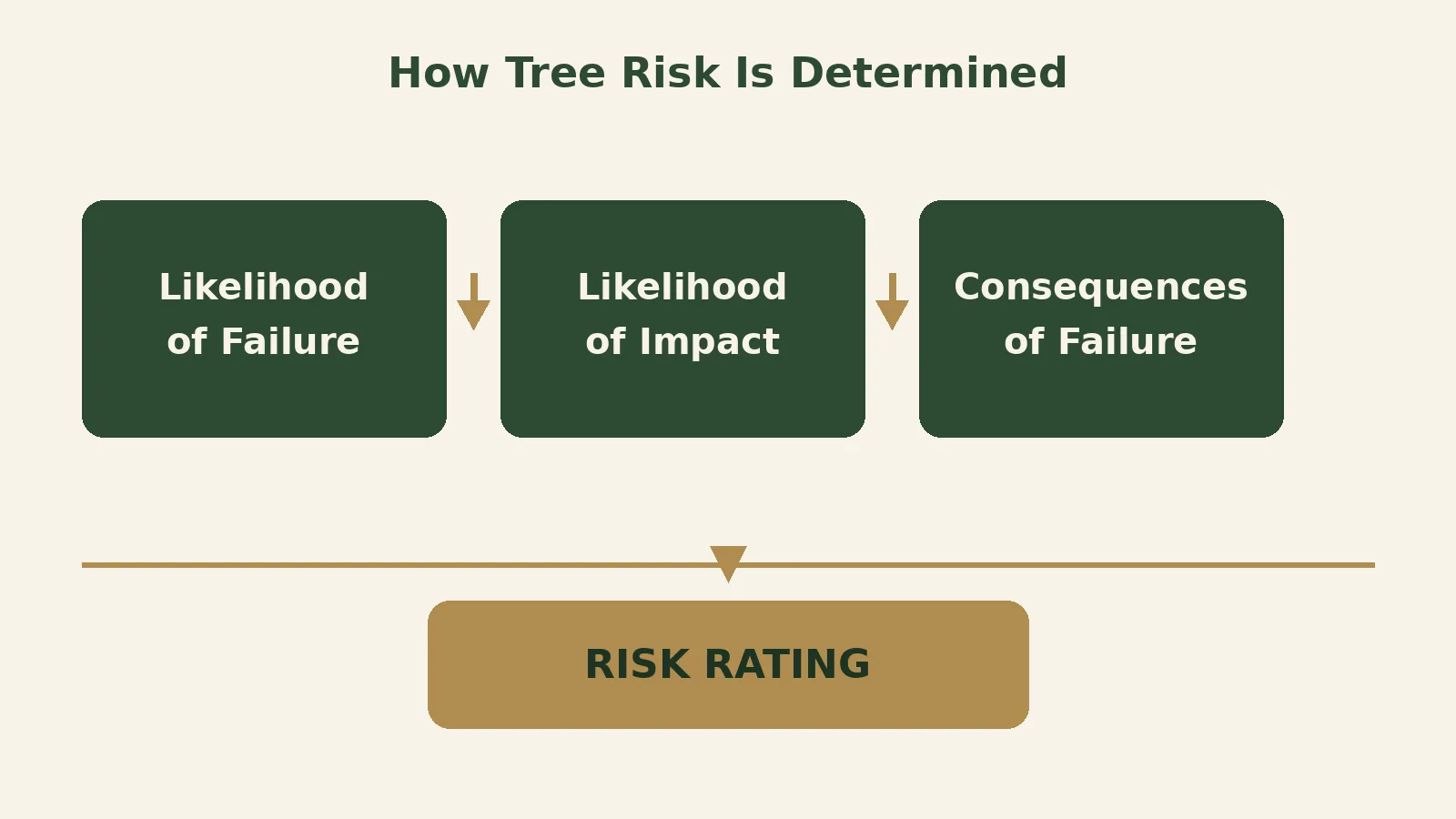
Consider likelihood of failure, likelihood of impact, and the consequences if failure occurs.
Document Findings
Record defects, risk level, and recommended mitigation such as pruning, cabling, monitoring, or removal.
Tree Risk Assessment Levels
The appropriate assessment level depends on the number of trees, visible concerns, property conditions, and questions that remain after the initial inspection.
Limited Visual
A quick visual review focused on obvious defects and broad conditions.
- Useful for larger tree populations
- Looks for obvious hazards
- Efficient initial screening
- May miss internal or base defects
Basic Assessment
A detailed visual assessment of an individual tree from accessible sides and relevant inspection points.
- Root collar and trunk review
- Branches and canopy evaluation
- Binoculars, mallet or probe when appropriate
- Common choice for trees near homes
Advanced
Specialized investigation when visual inspection does not resolve an important structural question.
- Large cavity investigation
- Root-related concerns
- Specialized diagnostic testing
- Higher-complexity trees or sites
When Visual Inspection Is Not Enough
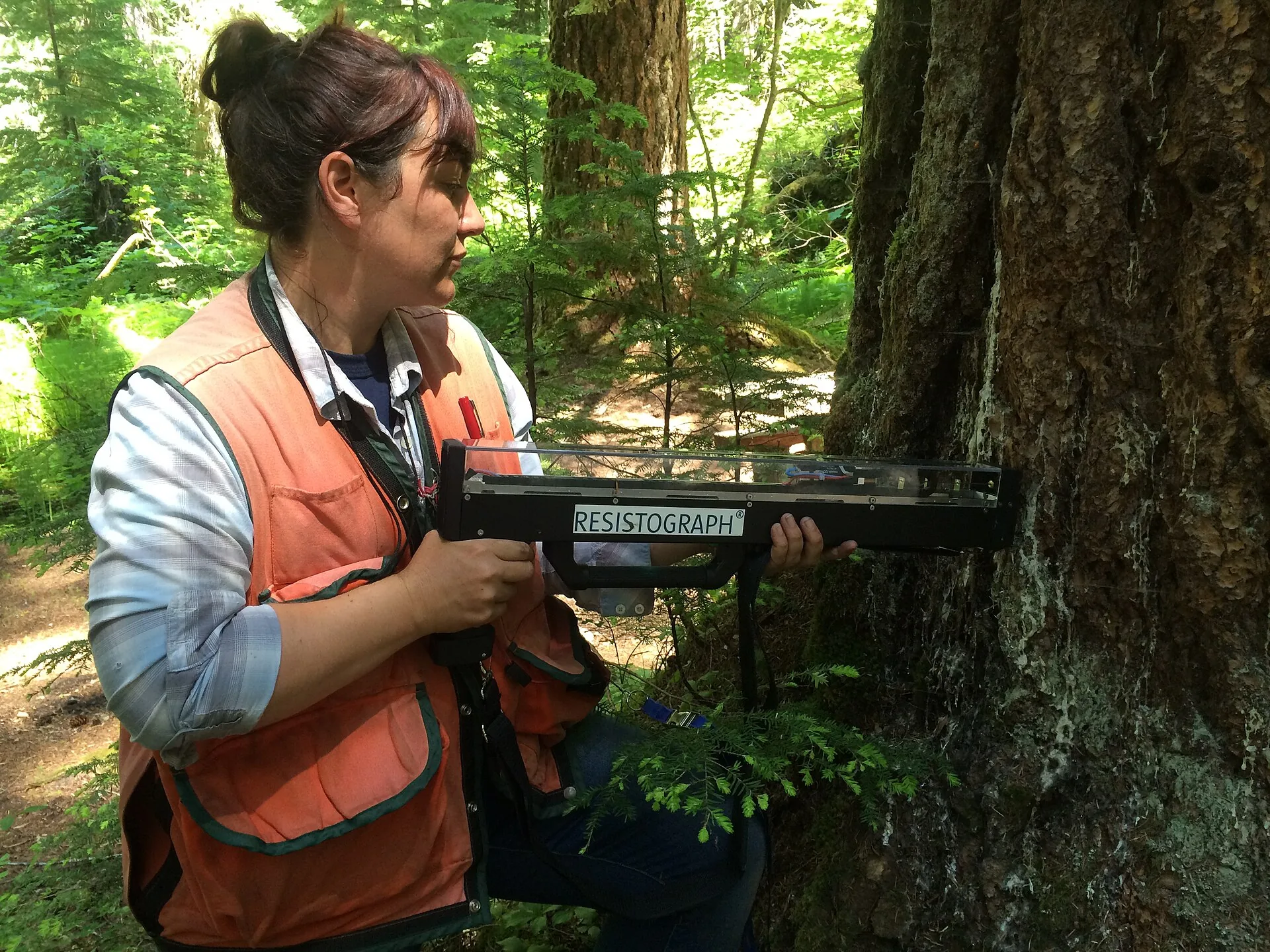
Specialized testing may be appropriate when a visual inspection leaves an important structural question unresolved. Testing should support the assessment rather than replace the overall evaluation.
How Tree Risk Is Determined
Risk is not based on one defect alone. The assessment considers the likelihood that something will fail, whether the failure will affect a target, and the consequences of that impact.
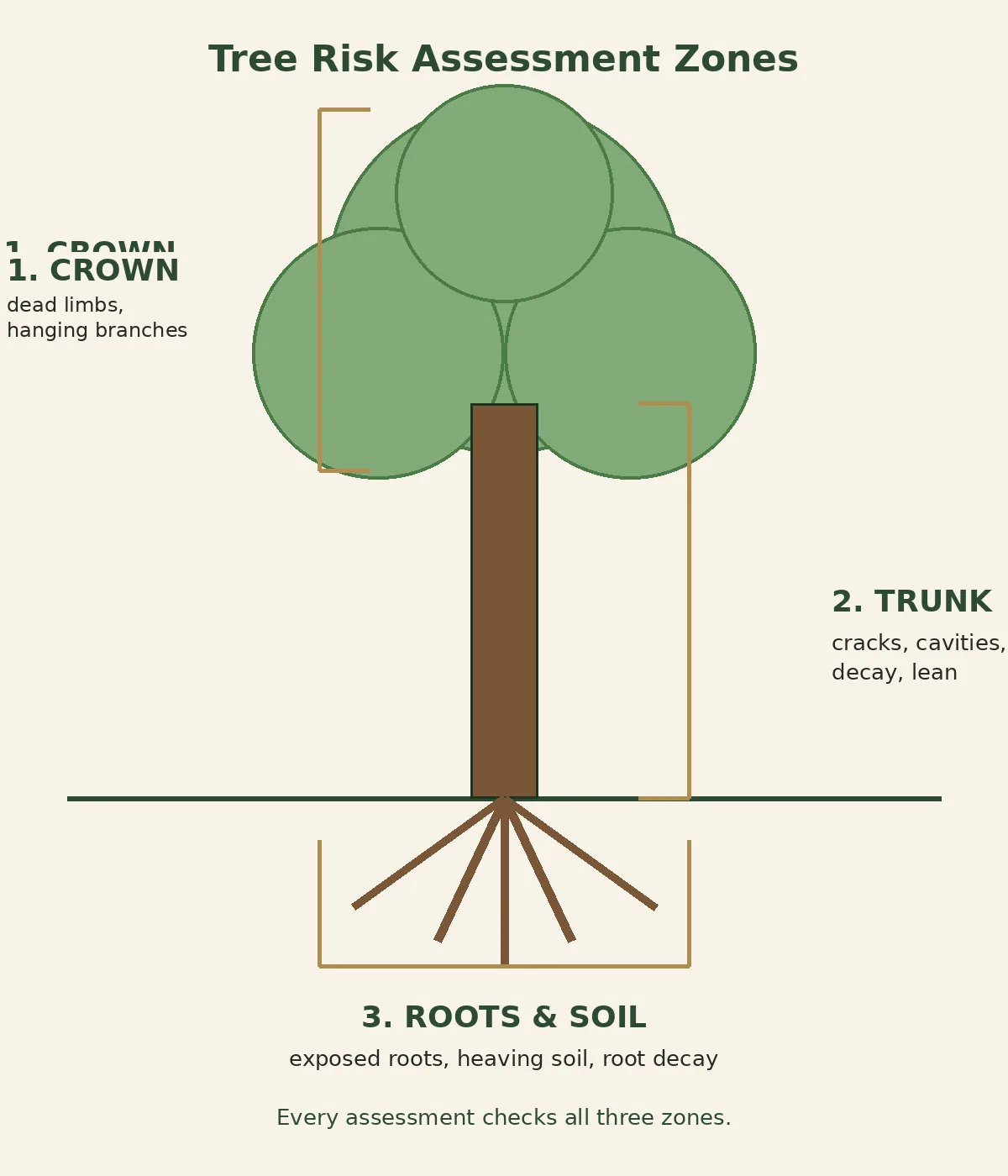
What Can a Tree Risk Assessment Find?
A complete assessment considers three major areas: roots, trunk/stems, and branches/crown.
| Zone | Potential Findings |
|---|---|
| Roots | Decay, severed or exposed roots, lifted root plate, fungal growth, soil heaving. |
| Trunk / Stems | Cracks, cavities, decay, codominant stems, included bark, structural weaknesses. |
| Branches / Crown | Deadwood, broken or hanging limbs, weak unions and defective branch attachments. |
Does a High-Risk Tree Always Need Removal?
No. Removal is one possible mitigation strategy, but the right recommendation depends on the defect, tree condition, target, site, and whether another action can reduce the risk sufficiently.
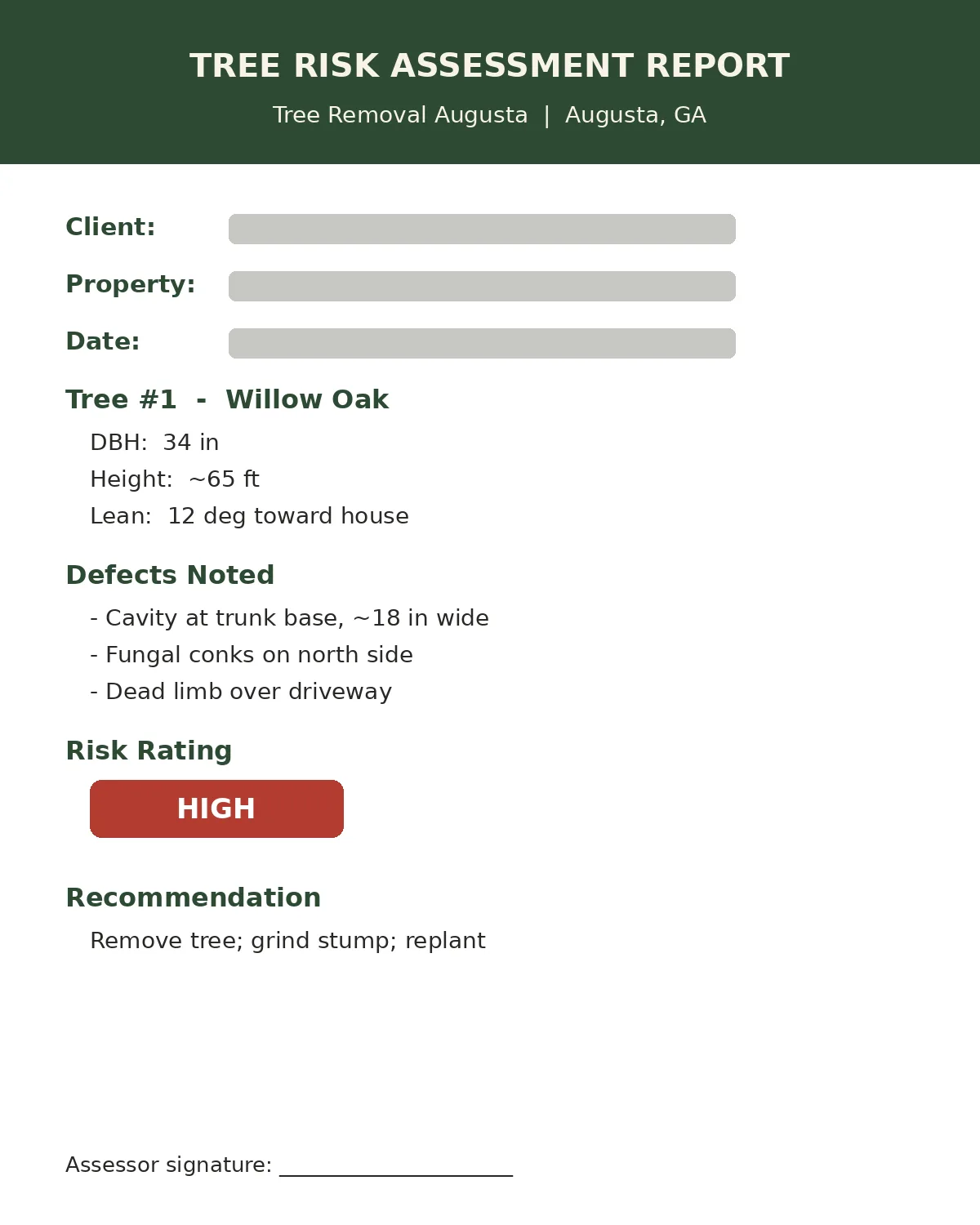
Tree Risk Assessment Report
A written report gives the property owner a record of the tree, observed conditions, risk rating, and recommended next steps.
Why Use a Qualified Arborist?
Tree risk assessment requires more than identifying a dead branch. The inspecting professional should use a consistent assessment approach and be able to explain findings and recommendations.
ISA Tree Risk Assessment Qualification
ISA offers the Tree Risk Assessment Qualification (TRAQ), a credential associated with training in structured tree risk assessment practices.
ANSI A300 Part 9
ANSI A300 Part 9 addresses tree risk assessment processes, terminology, assessment levels, and report considerations.
Tree Risk Assessment for Important Property Decisions
A written assessment can be useful when tree condition needs to be documented before or after a significant property event.
Insurance
Documentation can help record tree condition for claims, underwriting questions, or property discussions following storm damage.
Construction
Pre-construction assessment can identify trees near excavation, grading, buildings, or other work areas where root protection matters.
Property Decisions
Buyers, sellers, landlords, HOAs, and property managers may use tree risk information when evaluating potential liabilities.
Tree Risk Assessment Augusta GA: Local Risk Factors
Augusta and the CSRA can experience severe thunderstorms, tropical storm remnants, saturated soils, and strong winds. Mature trees growing close to homes and streets can have many potential targets around them.
Mature water oaks, loblolly pines, sweetgums, and other established trees may require closer evaluation when structural concerns, storm damage, or site changes are present.
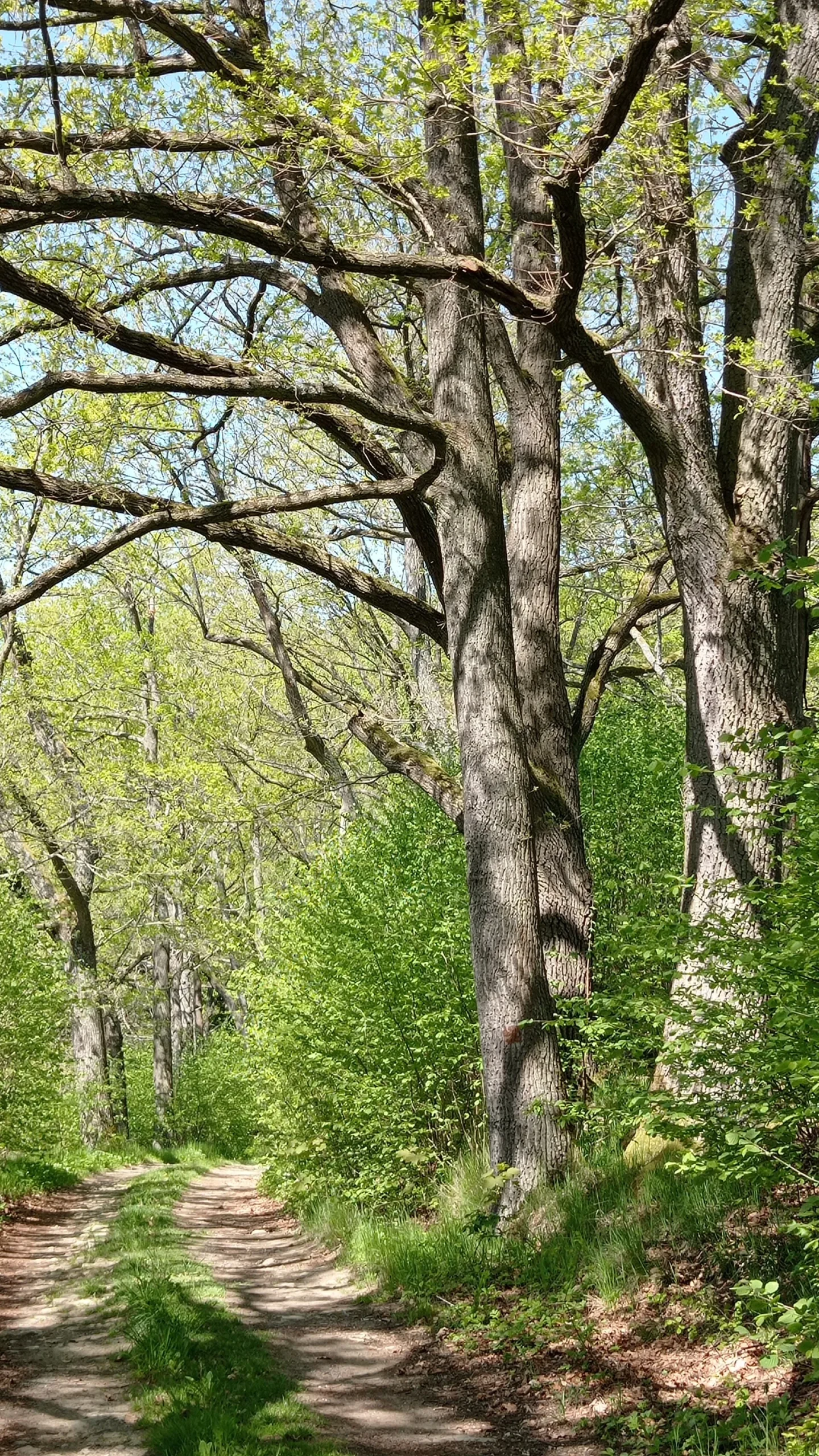
Tree Risk Assessment After Severe Weather
After a major storm, look for broken limbs, new lean, fresh cracks, hanging branches, exposed roots, or movement around the root plate.
Wind and saturated soil can combine to create structural problems that are not immediately obvious. A professional assessment can help distinguish recoverable trees from conditions that require immediate mitigation.
Request a Storm AssessmentWhat Affects Pricing for a Tree Assessment in Augusta, GA?
Assessment pricing varies according to the number of trees, level of assessment, site complexity, and whether specialized diagnostic testing or additional documentation is required.
Tree Removal Augusta does not publish a fixed assessment price; pricing follows a review of the requested scope.
Tree Risk Assessment Augusta GA & CSRA
Tree risk assessment services are available in Augusta, Martinez, Evans, and nearby CSRA communities. Call to confirm coverage for your property.
Office: 2215 Tobacco Rd, Augusta, GA 30906, USA
Call (706) 204-7547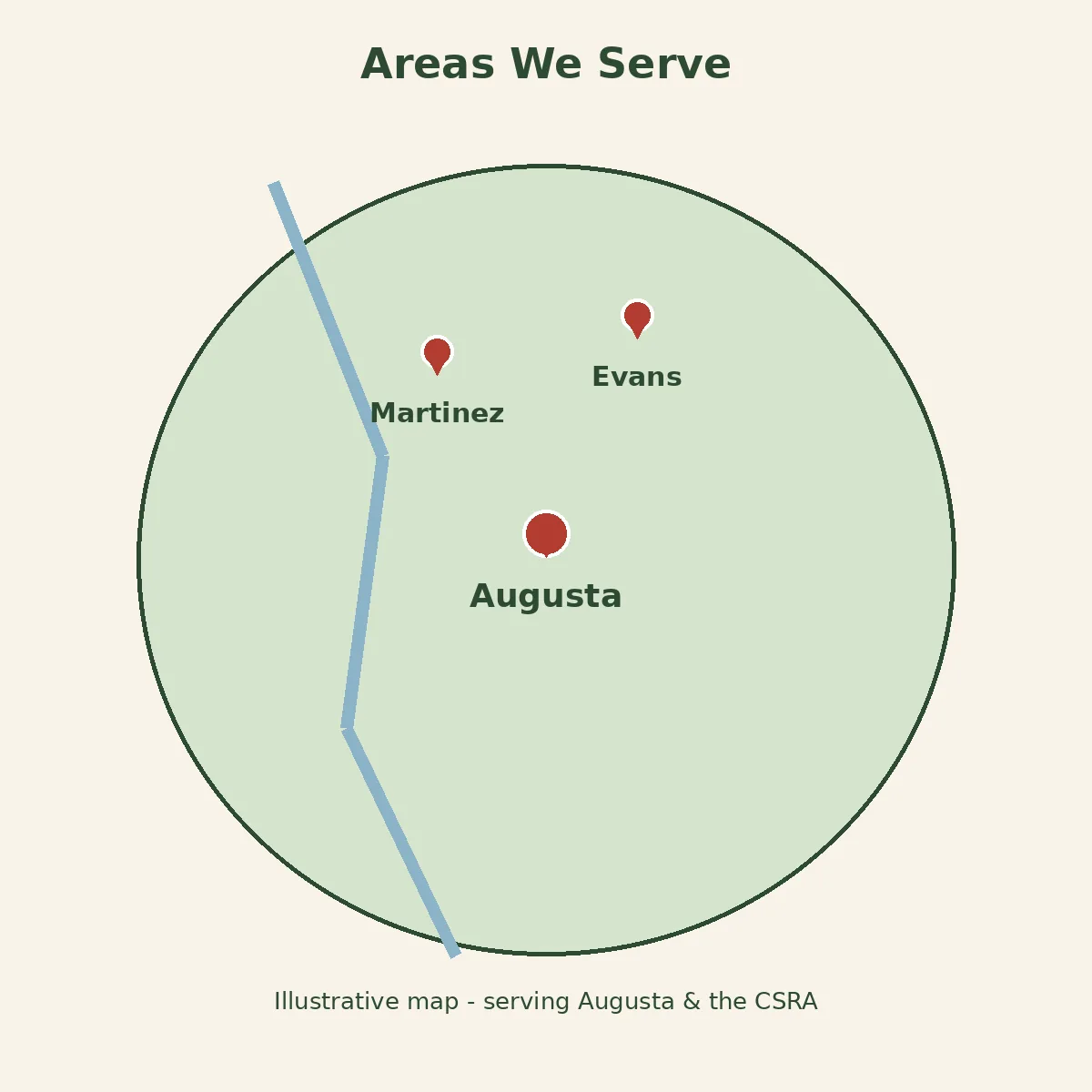
Tree Risk Assessment FAQ
Common questions Augusta property owners ask before scheduling an assessment.
What is the difference between a tree inspection and a risk assessment?
How long does a tree risk assessment take?
Does a dangerous tree always need to be removed?
How much does a tree risk assessment cost?
When should I have a tree assessed after a storm?
Can a tree look healthy and still be risky?
Know What Your Tree’s Condition Means Before You Decide What To Do.
Homeowners, property managers, HOAs, and builders can request a tree risk assessment in Augusta and nearby CSRA communities. The process includes an onsite review, documented findings, a risk rating, and recommended next steps.