
Hedge Trimming & Shrub Care in Augusta, GA
Keep hedges neat, shrubs healthy-looking and walkways, windows and driveways clear with professional hedge trimming and shrub care.
Tree Removal Augusta connects homeowners in Augusta, Martinez, Evans and Grovetown with an independent, insured contractor who handles light shaping, overgrown hedge reductions, neglected shrubs and cleanup.
A Cleaner, More Manageable Hedge Starts With the Right Cut
Hedge trimming is the regular cutting of a hedge’s outer growth to control its height, width and shape. Shrub care goes further when plants are overgrown, bare, damaged or neglected.
For hedge trimming and shrub care in Augusta, homeowners can request a clear written quote. The contractor can handle light shaping, tall hedges, reduction work and hard-reset pruning when appropriate.
Referral Service — Not the Contractor
Tree Removal Augusta is a local referral service. The work is performed by an independent, insured contractor. You can request a certificate of insurance and verify coverage with the insurer before agreeing to work.
Hedge & Shrub Problems We Fix in Augusta Yards
Most hedge-trimming calls start with one of these problems. The appropriate service depends on the plant, its condition and how much growth needs to be removed.
Overgrown Hedges Blocking Walkways & Windows
Hedges that creep over walkways, cover windows or block visibility near a driveway are a common reason homeowners call.
The solution may be a reduction trim or regular maintenance trim. Hedges above six feet can require ladders or pole tools.
Hedges Growing Over Property Lines
Trimming can be kept to your side once the property line is established. The contractor does not determine property boundaries.
If growth crosses the line, communicating with the neighbor first is often the simplest approach.
Bare Sections & Dead Wood
A hedge that is wider at the top can shade its lower branches, leading to thin growth. Selective renewal or staged reduction may help appropriate plants.
Disease, Fungal & Pest Damage
Boxwood blight, scale and other problems require careful handling. Damaged wood can be removed and tools cleaned between plants.
The contractor does not diagnose or promise cures. County UGA Extension can help confirm plant or disease concerns.
HOA Notices & Curb Appeal
A clean hedge line can improve the appearance of a home before a sale, listing or landscaping deadline.
HOA covenants may also contain landscaping and upkeep standards.
Storm-Damaged Shrubs & Property Cleanup
Storm recovery can leave shrubs and surrounding landscaping untidy. The correct approach depends on whether the plant needs light cleanup, structural pruning or replacement.
Hedge Trimming & Shrub Care Services
A tidy hedge that is simply growing needs something different from a hedge that is too tall, too wide, bare or neglected.
| Your Hedge or Shrub | Service | What We Do | Best Timing |
|---|---|---|---|
| Healthy but growing | Maintenance trim | Light shaping, new growth removed, height and width held. | Informal hedges once or twice yearly; formal hedges may need two to four light trims during the growing season. |
| Too tall or too wide | Reduction trim | Height and width reduced in stages. | Late winter to early spring for many plants. |
| Bare, dead or neglected | Renewal pruning | Hard cut-back or staged renewal where the plant can tolerate it. | As spring growth begins. |
| Formal or sculpted | Specialty shaping | Clean lines, tapered sides and topiary-style shaping. | Light trims during the growing season. |
Hedge Trimming vs. Pruning: Which Do You Need?
Trimming focuses on the outside growth and overall shape. Pruning selectively removes branches for health, structure and renewal. Many landscapes benefit from both approaches.
| Trimming | Pruning | |
|---|---|---|
| Purpose | Shape and size | Health and structure |
| Tools | Hedge shears and power trimmers | Hand pruners, loppers and pruning saws |
| Best for | Formal hedges | Informal hedges and overgrown shrubs |
Maintenance Trim & Seasonal Hedge Pruning
A maintenance trim is light shaping that removes new growth and keeps the hedge at the desired height and width.
Small-leaf plants may be handled with hand shears, while long hedge runs can be handled with power hedge trimmers. Regular trimming can reduce the need for major cut-backs later.
Usually once or twice per year.
Often two to four light trims during active growth.
Plants such as privet may need more frequent attention.
How Often Should Hedges Be Trimmed?
Frequency depends on plant species, growth rate, desired appearance and whether the hedge is formal or informal.
Recurring Plans
Add your actual recurring-service terms here if the contractor offers scheduled hedge maintenance.
Overgrown Hedge Trimming & Reduction
A reduction trim lowers the height and width of an overgrown hedge in stages rather than taking a severe amount of growth all at once.
A common pruning guideline is to remove no more than about one-third at a time, although the appropriate amount depends on the plant.
Conifers such as Leyland cypress, juniper and many arborvitae may not regrow from bare brown wood. A deep cut into old bare wood can create permanent gaps.
Tall hedges may require ladders or pole tools and can take substantially longer than low, accessible hedges.
Renewal Pruning for Bare or Neglected Shrubs
Renewal pruning is a hard reset for appropriate shrubs that have become bare, woody or tangled.
For suitable plants, a more aggressive cut-back can be timed as spring growth begins. Another option is a staged three-year renewal that removes roughly one-third of the oldest stems each year.
Some shrubs may be too damaged, diseased or hollow to recover. In those cases, replacement or removal may be more practical.
Formal Hedge Shaping & Topiary
Formal hedges look cleaner when the sides taper slightly, with the base wider than the top so sunlight can reach lower foliage.
Small-leaf plants such as boxwood can be carefully shaped with hand shears. Specialty shaping and topiary typically require more time than a standard maintenance trim.
Shrub Pruning & Shrub Care
Shrubs need the right cut at the right time. Blooming season, growth habit, plant structure and health all influence how they should be pruned.
Azalea
Spring-flowering azaleas are generally shaped after flowering so next year’s flower buds are not unnecessarily removed.
Crape Myrtle
Summer-blooming shrubs are commonly handled in late winter or early spring before new growth begins.
Loropetalum & Camellia
Selective thinning can open crowded plants while preserving a natural form and avoiding unnecessary heavy cuts.
Nandina
Nandina is handled differently from many common shrubs, with selective pruning often scheduled after the Christmas season.
Foundation Shrubs
Dead, crossing or crowded stems can be removed while maintaining clearance around windows, walls, walkways and entrances.
Privacy Screens
Tall screens need careful reduction and selective thinning rather than indiscriminate cutting into old bare wood.
Hedge Cleanup & Debris Removal
Every hedge job should end with a defined cleanup plan. Clippings may be bagged or hauled away, while walkways, beds and surrounding areas can be blown clean.
Holly clippings are particularly unpleasant to handle because of their sharp leaves. A professional cleanup can save homeowners the trouble of collecting and disposing of long hedge cuttings.
Confirm What Your Quote Includes
State exactly whether bagging, hauling, blowing, curbside placement and debris removal are included in the contractor’s price.
How Our Hedge Trimming Service Works
From the first call to final cleanup, the goal is to make the scope and expectations clear before work begins.
Call (706) 555-0142 or submit your estimate request. Photos of the hedges can provide a useful first look at the job.
Identify the plants, discuss your desired result and review access, property lines and any known HOA requirements.
The quote should explain the work and specify whether cleanup, bagging or hauling is included.
Add the contractor’s actual typical lead time here before publishing any scheduling promise.
Check for hazards and active nests, clean tools as appropriate, shape from the bottom upward and keep cuts in suitable green growth.
Clippings are handled according to the agreed scope, and the surrounding work area is cleaned.
Tools & Equipment We Use
Different plants and hedge sizes call for different tools. The equipment should match the plant, height, access and thickness of the material being removed.
Useful for small-leaf formal plants such as boxwood.
Efficient for long, established hedge runs.
Useful when individual stems are too thick for hedge shears.
Useful for reaching appropriate tall growth where safe and suitable.
Tools should be cleaned between plants when disease is suspected, particularly where plant pathogens could be transferred by cutting equipment.
How Long Does a Hedge Trimming Job Take?
A straightforward hedge can take roughly one to two hours per 40 feet, but actual time varies substantially.
Small residential hedges may take around an hour, while tall, heavily overgrown or long hedges can require considerably more time. Replace these examples with the contractor’s actual typical times before publishing.
How Much Does Hedge Trimming Cost in Augusta?
Industry pricing guides commonly place hedge trimming in a broad range depending on length, height, condition, access and cleanup.
Replace the industry ranges with the contractor’s real minimum, rates and current pricing before publication.
Prices should be labeled with the applicable month and year and should clearly distinguish typical industry figures from actual quotes.
What Affects Hedge Trimming Cost?
Two hedges can look similar in photographs but require very different amounts of labor depending on height, density, access and cleanup.
Length & Height
Long or tall hedges require more cutting time. Hedges over six feet can also require additional equipment and setup.
Plant Type
Soft new growth can be fast to shear, while thick or woody stems require more selective cutting.
Condition
Renovating a neglected hedge can require considerably more work than a routine maintenance trim.
Access
Fences, slopes, tight spaces and nearby structures can slow setup and make the work more detailed.
Cleanup
Bagging, hauling and removing clippings generally require more work than leaving agreed yard-waste material on site.
Specialty Shaping
Topiary, highly formal lines and detailed shaping take more time than a standard maintenance trim.
Sample Prices for Common Augusta Jobs
Only publish actual recent job examples here. Do not use placeholder prices as if they were real customer jobs.
| Job | Scope | Time | Price |
|---|---|---|---|
| Small foundation-shrub tidy | [Number of shrubs] | [Actual time] | [Actual price] |
| Hedge up to 6 feet tall | [Actual length] | [Actual time] | [Actual price] |
| Overgrown reduction | [Actual length and height] | [Actual time] | [Actual price] |
Replace all bracketed values with three genuine recent jobs. If real examples are unavailable, remove this table rather than publishing fabricated pricing.
When to Trim Hedges & Shrubs in Augusta
Timing depends heavily on the plant. For many shrubs, late winter to early spring is an important pruning window before strong new growth begins.
Spring-flowering shrubs such as azaleas are generally handled after they bloom so flower buds are not unnecessarily removed.
Avoid treating every hedge the same. Plant species, flowering habit, current weather and the amount of growth being removed all affect the appropriate timing.
Winter or Early Spring?
Late winter is often the preferred period for major pruning of many shrubs in Georgia. Severe pruning is generally better timed as spring growth begins.
Spring-flowering shrubs should be handled after flowering rather than automatically following the same winter schedule as other plants.
An Augusta-specific calendar should be confirmed with the local Extension office and the contractor before being presented as a fixed rule.
Augusta Hedge & Shrub Calendar
Use this as a planning guide. Individual plants vary, so the exact timing should be confirmed during the estimate.
| Months | Best Work | Notes |
|---|---|---|
| January–February | Reduction & renewal pruning | Useful window for many overgrown shrubs; account for spring-flowering plants. |
| March–April | Trims after spring bloom | Spring bloomers such as azaleas are generally handled after flowering. |
| May–June | Light formal touch-ups | Keep cuts appropriate to the plant and current growth. |
| July–August | Light work | Heat and humidity can make heavy cuts more stressful. |
| September–October | Light tidy-up | Avoid unnecessary heavy pruning as colder weather approaches. |
| November–December | Dead wood & selective work | Plant-specific timing matters; confirm before major cuts. |
Booking Before the Masters or a Home Listing
The Masters is held in April, and many homeowners and hosts prepare their properties well before tournament week.
If you want hedge work completed before spring events, listing photos or guests arrive, early planning gives you more flexibility.
Don’t Promise a Date You Haven’t Confirmed
Add the contractor’s actual lead time and capacity here. A request can be made early, but the exact appointment should remain subject to availability and an assessment of the work.
When We Avoid Trimming Hedges
Good hedge care sometimes means knowing when not to cut.
Active Bird Nests
Hedges should be checked for active nests before cutting. Where protected nesting birds are present, work may need to be delayed.
Extreme Heat
Heavy pruning during extreme summer heat can place additional stress on plants. Light work may be more appropriate.
Before a Freeze
Avoid unnecessary heavy pruning immediately before freezing conditions.
Spring-Flowering Hedges
Cutting too early can remove flower buds. Timing should follow the plant’s flowering cycle.
Hedges & Shrubs We Trim in Augusta
Common Georgia landscape plants require different approaches. Timing should be confirmed for the individual plant and current growing conditions.
| Plant | Typical Use | How We Trim | Best Time | Watch Out For |
|---|---|---|---|---|
| Ligustrum / Privet | Privacy or formal hedge | Shear or thin; tolerates substantial pruning. | Late winter–early spring; light growing-season trims. | Fast growth can require regular trimming. |
| Wax Myrtle | Privacy screen | Selective thinning rather than constant shearing. | Late winter–early spring for major work. | Long-neglected plants can become open at the base. |
| Holly | Tall hedge or screen | Shaping and staged reduction. | Late winter–early spring. | Prickly clippings and potential pest issues. |
| Boxwood | Formal hedge | Hand shears and light shaping. | Late winter–early spring. | Boxwood disease concerns; clean tools appropriately. |
| Loropetalum | Informal hedge or screen | Selective thinning and moderate reduction. | After spring flowering. | Late pruning can remove future flower buds. |
| Azalea | Spring-flowering shrub | Light shaping. | Right after flowering. | Late pruning can remove next year’s flower buds. |
| Crape Myrtle & Abelia | Summer-blooming shrubs | Selective thinning or appropriate cut-back. | Late winter–early spring. | They bloom on new growth. |
| Nandina | Shrub or low hedge | Selective pruning. | After the Christmas season. | Different pruning approach from many shrubs. |
| Leyland Cypress, Juniper & Arborvitae | Privacy screens and tall hedges | Light trims within green growth. | Early spring with plant-specific follow-up. | Many will not regrow from bare brown wood. |
Disease, Fungal & Pest Damage
Boxwood blight is one of the plant-health concerns to watch in the region. Other shrubs can experience scale and different pest or fungal problems.
Appropriate pruning can remove damaged material and improve airflow, but trimming is not the same as diagnosing or curing a disease.
When Disease Is Suspected
The contractor can remove affected material and clean cutting tools between plants where appropriate. A county UGA Extension office can help confirm a suspected plant disease.
Boxwood Blight & Tool Hygiene
Suspected disease should be treated carefully. Tools should not be moved from one plant to another without appropriate cleaning when disease transmission is a concern.
Do not publish a pesticide applicator license claim unless the contractor actually holds the applicable Georgia credential.

How Augusta’s Climate & Storms Shape Trimming
Augusta’s warm, humid growing conditions can support vigorous hedge and shrub growth while also creating conditions where fungal issues need attention.
Storms can also leave shrubs and surrounding landscape plants stressed or damaged. Storm cleanup should focus on safe, appropriate cuts rather than automatically removing large amounts of healthy growth.
Maintaining vegetation can reduce some property and pest-related nuisances, but hedge trimming does not guarantee mosquito, snake or storm protection.
HOA, Historic District & Local Rules
Check applicable rules before removing, replacing or substantially changing landscaping.
HOA Covenants
HOA covenants may set landscaping and upkeep standards. Review your specific documents before scheduling work that could affect compliance.
Historic Districts
Augusta’s historic areas can have design guidelines affecting exterior changes. Confirm requirements before removing or replacing significant landscaping.
Overgrown Vegetation
Local code-enforcement questions should be directed to the appropriate Augusta authority. The contractor does not provide legal advice.
Property-Line Reminder
The contractor trims to the agreed side of a property line but does not determine legal boundaries. If ownership or boundary rights are disputed, resolve that question before work begins.
A Straightforward Way to Arrange Hedge Care
Hiring someone to work around your home and landscaping should not feel like a gamble. The referral relationship is explained upfront.
Independent Contractor
The work is performed by an independent contractor. Add the actual contractor name and credentials once confirmed.
Written Estimate
The scope and price should be provided in writing before work begins, including cleanup when applicable.
Insurance Verification
You can ask for a certificate of insurance and verify the coverage with the insurer.
Honest Service Area
If the contractor does not serve an address, the customer should be told rather than promised a service that cannot be delivered.
Credentials Only When Verified
Add pesticide, UGA, ISA or other credentials only when the contractor actually holds and can document them.
Easy to Reach
Call (706) 555-0142 or use the site’s estimate request process to start the conversation.
Careful Work Around Your Property
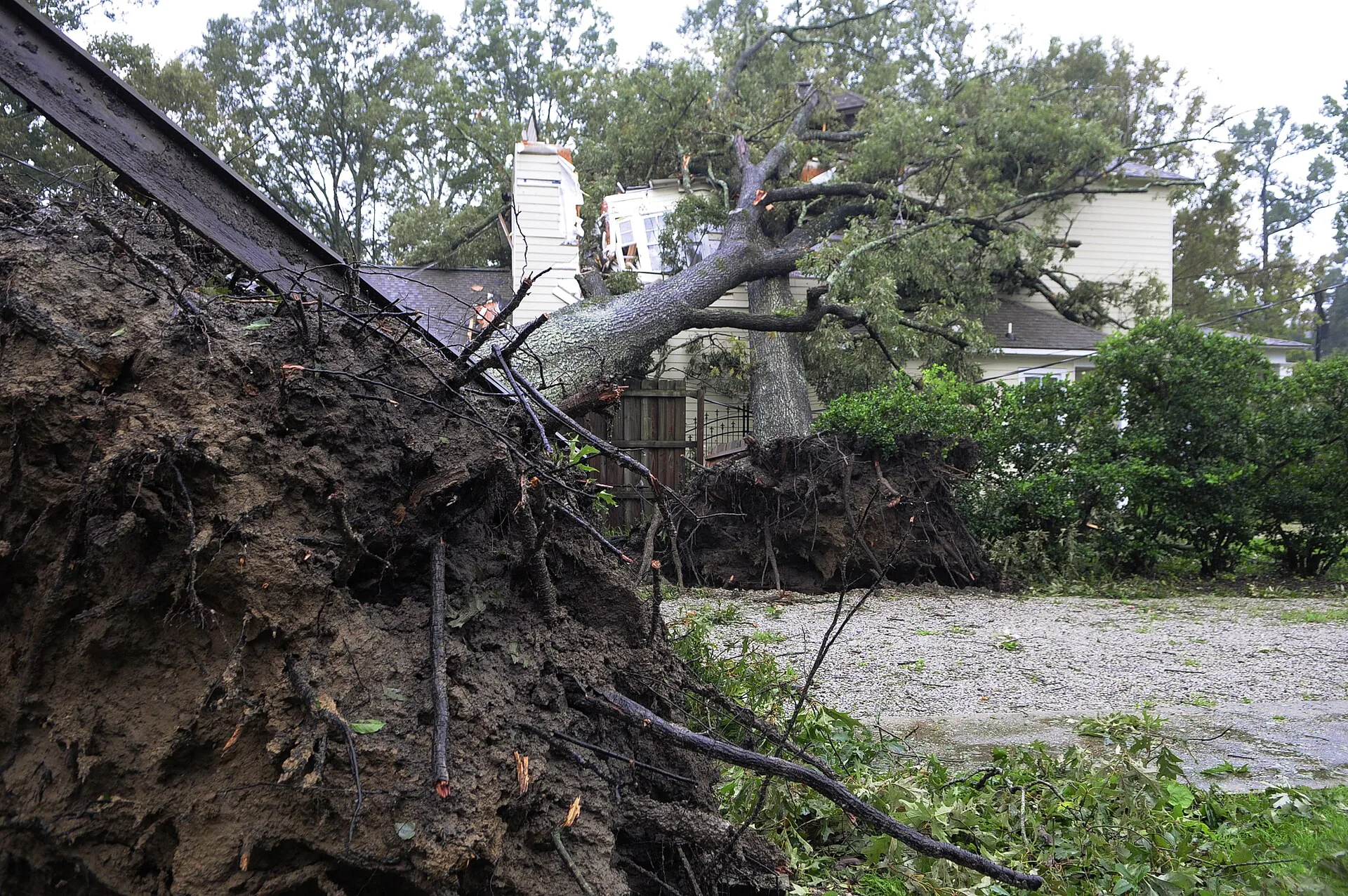
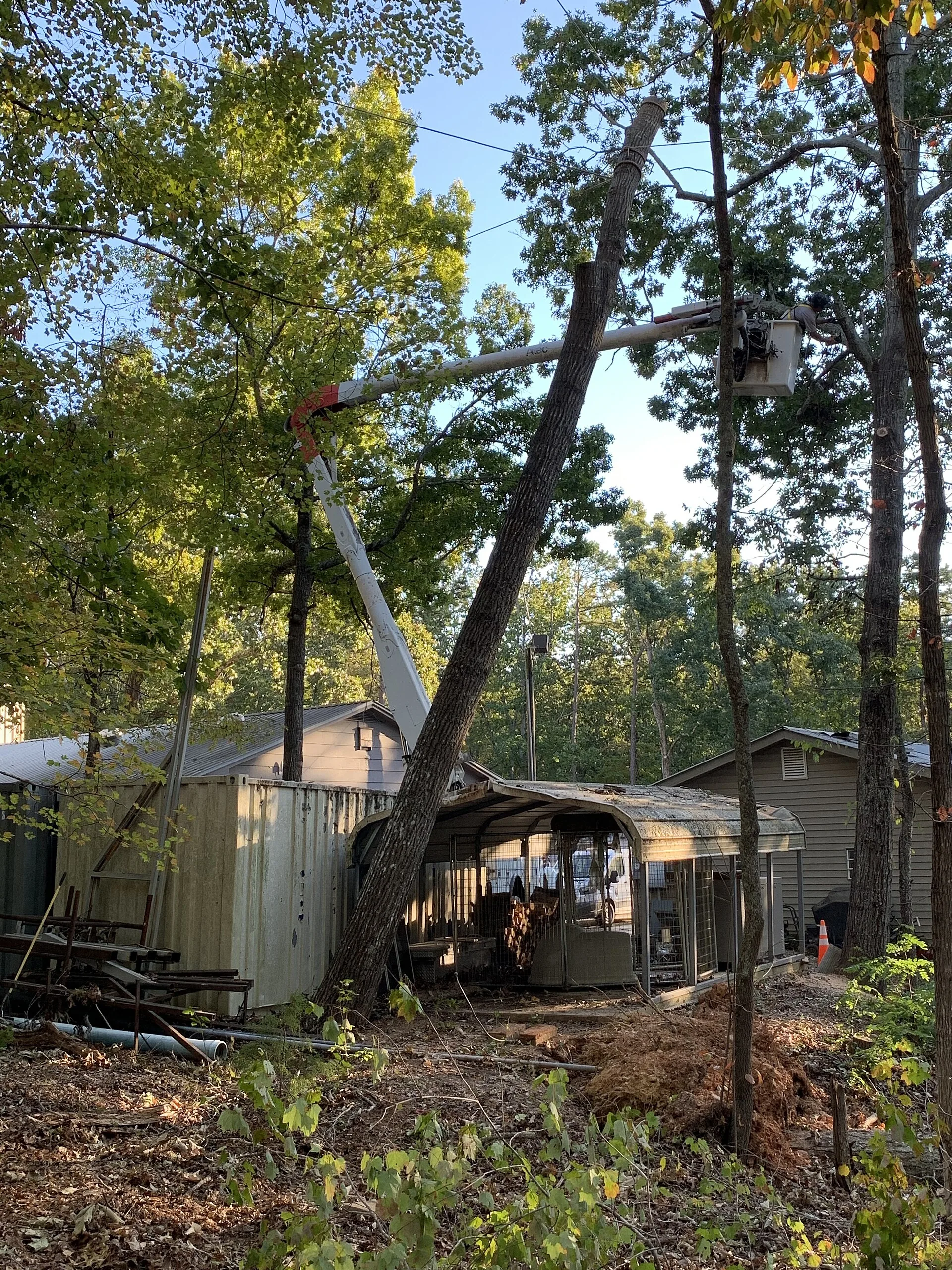
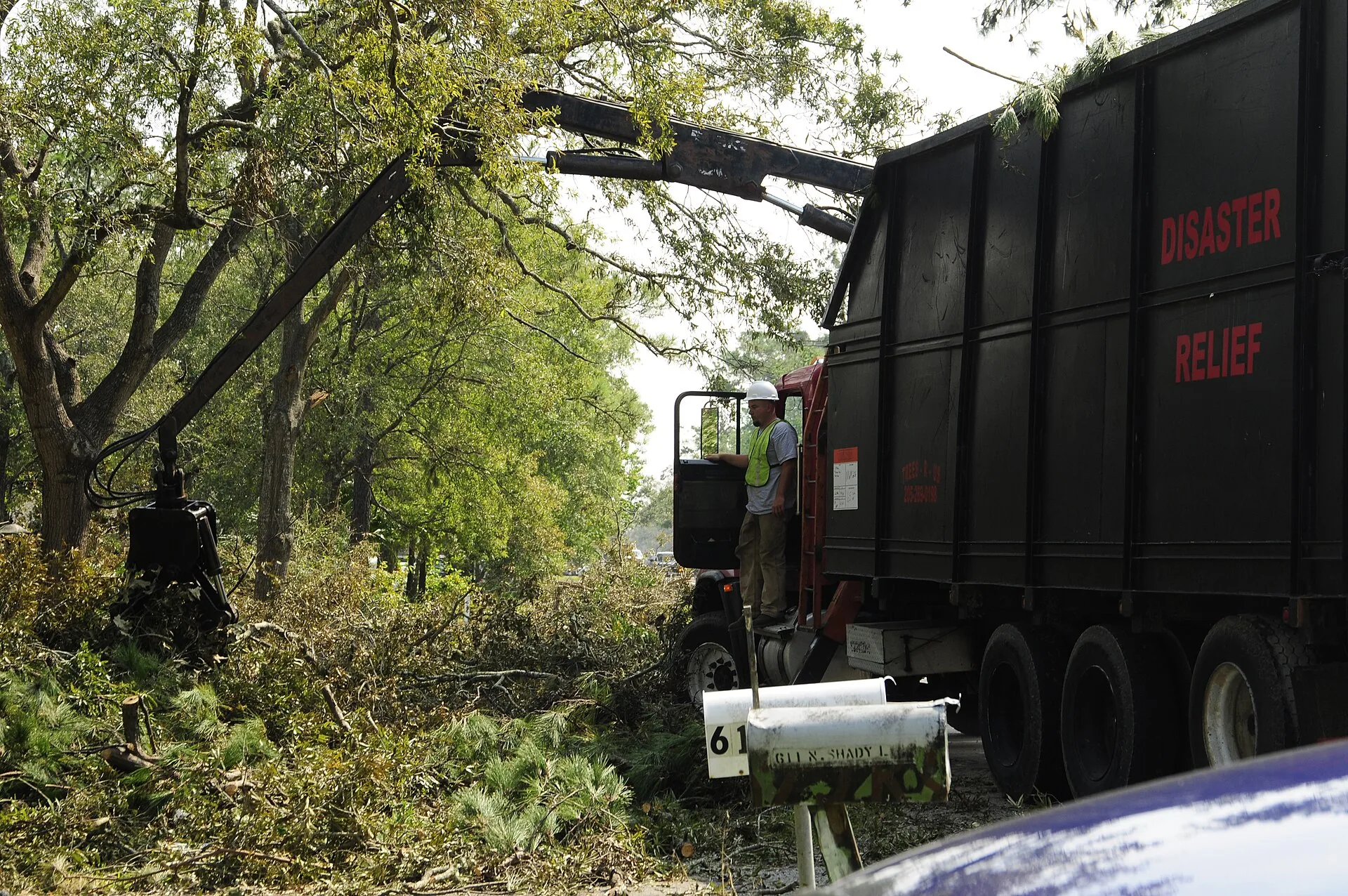
The following visuals represent broader tree and property-service capabilities rather than specific hedge-trimming jobs.

Recent Hedge Jobs in Augusta
These job examples should only be published if they represent genuine completed work and can be verified.
Privet Hedge
Problem: Overgrown hedge blocking part of the walkway with an uneven shape.
Service: Trimmed the hedge back, shaped the sides and top, and cleaned the clippings.
Result: A neater hedge with improved walkway clearance and curb appeal.
Time: 2.5 hours.
Boxwood Shrubs
Problem: Uneven shrubs growing toward the driveway.
Service: Carefully shaped the boxwoods, removed excess growth and cleared the driveway edge.
Result: Clean, balanced shrubs with improved clearance.
Time: 2 hours.
Mixed Privacy Shrubs
Problem: Fast-growing shrubs had become too tall and dense near the property line.
Service: Reduced height, trimmed overgrown areas, shaped the hedge line and hauled away clippings.
Result: A cleaner property line with improved visibility.
Time: 3 hours.
Add genuine job photographs to these cards before publishing them as case studies. Do not use emergency tree-service images and describe them as hedge-trimming jobs.
Hedge Trimming Near You
Tree Removal Augusta arranges hedge trimming and shrub-care inquiries across Augusta and nearby communities. Availability should be confirmed for the specific address.
Confirm the Contractor’s Actual Coverage
Your original content lists Augusta, Richmond County, Evans, Martinez, Grovetown, Hephzibah, Harlem, Thomson, North Augusta and Aiken as broader service areas. Confirm which communities this particular hedge contractor actually serves before publishing a detailed service-area claim.
Hedge Trimming & Shrub Care FAQ
Do you haul away the clippings?
Confirm the contractor’s actual cleanup policy before publishing this as a guaranteed service. The quote should clearly state whether clippings are bagged, left on site, placed for collection, or hauled away.
Are you licensed and insured?
The work is performed by an independent, insured contractor. Customers can request a certificate of insurance and verify the coverage with the insurer. Do not claim a specific professional license unless the contractor actually holds it.
Can you fix a badly overgrown hedge?
Many broadleaf hedges can be reduced in stages, but the plant species matters. Conifers are different because many do not regrow from bare brown wood. The plant should be identified before a major cut-back.
Can I trim my own hedges?
Low hedges that can be reached safely may be suitable for homeowner maintenance. Wear eye protection and gloves, identify the plant, check for active nests, avoid excessive removal and keep the base slightly wider than the top.
- Check for bird nests.
- Identify the plant.
- Plan the amount of growth to remove.
- Trim sides from the bottom upward.
- Keep the base wider than the top.
- Cut the top last.
- Stay within suitable green growth.
- Clean up the clippings.
Tall hedges, ladders, difficult access, conifers and suspected disease are better handled with appropriate professional guidance.
How do you trim a hedge without killing it?
Identify the species first, especially conifers. Keep cuts moderate, avoid cutting conifers into bare brown wood, clean cutting tools between plants where disease is a concern, and avoid severe cuts during stressful weather.
Can you trim before the Masters or a home listing?
Often, if the work is booked early and the contractor has capacity. Spring landscaping demand can increase, so contact the contractor early. No appointment date should be promised until availability is confirmed.
Will trimming hedges help with mosquitoes or snakes?
It can reduce some cover and vegetation-related nuisances, but it is not a cure or guarantee. Mosquito management also involves removing standing water, while snake-risk reduction involves reducing cover and food sources.
Can you treat boxwood blight or pest damage?
The contractor can remove damaged growth and use appropriate tool hygiene, but hedge trimming should not be presented as a disease diagnosis or cure. Suspected boxwood disease should be confirmed with an appropriate plant-health resource.
Get Your Hedge Trimming Estimate in Augusta
Whether you need a quick tidy-up, a reduction of an overgrown hedge, seasonal shrub care or staged renewal pruning, the first step is a clear assessment of the plants and the desired result.
Call (706) 555-0142 or send photos through your estimate form. The contractor can review the property, discuss the scope and provide a written quote.